
Discover How Modern Innovations Are Reshaping Traditions and Education across the USA and Europe. Explore AI, AR, VR, digital tools, and global shifts transforming learning, culture, and teaching.
In recent years, the conversation around How Modern Innovations Are Reshaping Traditions and Education has grown into one of the most influential debates in the global learning community. Educators, parents, policymakers, students, and innovators are witnessing a turning point where centuries-old traditions meet the pulse of a fast moving digital age.
Across schools, universities, training centers, and even living rooms, the arrival of bold technologies, immersive tools, and modern learning frameworks has sparked a transformation that feels both exciting and complicated. Platforms like culturepulsehub.com continue to study these cultural and educational shifts, especially as the USA and Europe adopt new ways of teaching and learning.
This transformation is not simply about gadgets; it is about rethinking the purpose of education, redesigning learning spaces, and reshaping traditions that defined generations.
To understand this evolution, one must explore how modern innovations change the way we communicate, collaborate, think, learn, and preserve culture.
The Global Shift toward Modern Education
The USA and Europe are undergoing a major educational transformation. Classrooms that once relied on chalkboards and printed textbooks now function as technology enhanced classrooms, powered by digital tools, smart displays, and AI driven platforms.
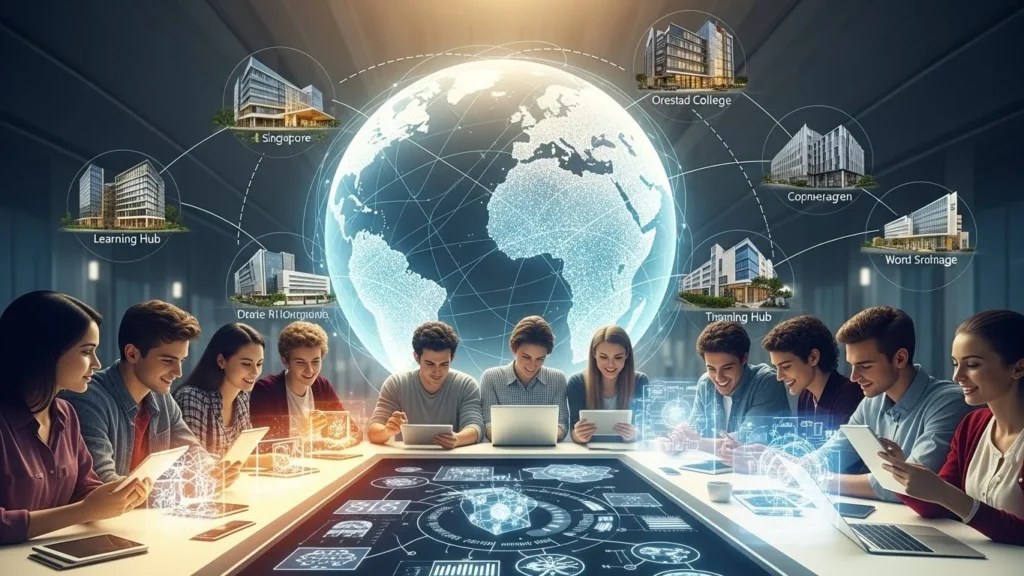
For decades, traditional learning emphasized memorization and passive listening. Today, schools and universities move toward student-centered learning, adaptive learning, and flexible learning pathways.
This shift can be traced to four major forces:
Rapid Technological Evolution
The introduction of AI (Artificial Intelligence), AR (Augmented Reality), VR (Virtual Reality), LMS (Learning Management Systems), and OER (Open Educational Resources) has altered the classroom environment dramatically. These tools support:
- interactive learning
- real-world problem-solving
- personalized student journeys
- expanded access to global academic content
What once required physical presence now happens through virtual environments, virtual classrooms, and online platforms.
New Social Expectations
Families, employers, and communities now expect students to master 21st century skills not just reading and writing but also:
- digital literacy
- critical thinking
- collaboration
- creativity
- technology fluency
This reorients education toward future-ready skills, reshaping learning traditions in every sense.
Cultural Shifts Post COVID 19 Pandemic
The COVID-19 pandemic accelerated the adoption of virtual learning, distance learning, and hybrid models. Even after schools reopened, the habits stayed. Learners became familiar with:
- online lectures
- remote collaboration
- e-learning tools
- digital classrooms
Thus, technology no longer supplements traditional learning it integrates with it.
Increased Global Connectivity
Students and teachers in the USA and Europe now collaborate with peers worldwide. This has created:
- a globalized learning ecosystem
- cross-border cultural exchange
- digital communities that transcend geography
Culturepulsehub.com frequently discusses how this openness reshapes traditions by blending cultures, histories, and educational narratives.
How Modern Innovations Are Blending Tradition with Technology
Historically, traditions provided continuity, stability, and cultural belonging. Education especially in Europe was built on legacy systems shaped by centuries of academic structure.
But as modern innovations surface, traditions evolve rather than disappear.
Preserving Traditional Learning through Digital Means
Cultural storytelling, classical literature, and ancestral knowledge are now delivered through:
- interactive digital archives
- virtual field trips
- historical immersive simulations using VR
- multilingual resources
- educational apps for heritage studies
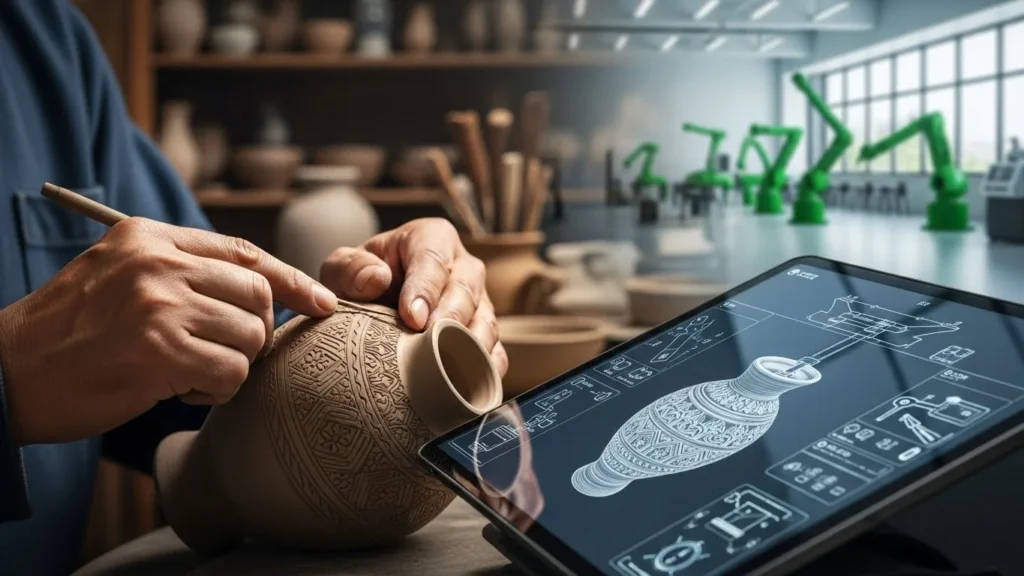
Instead of replacing traditions, technology amplifies them.
Digitizing Traditional Teaching Roles
Teachers remain the backbone of education, but their roles shift from “knowledge deliverer” to:
- facilitator
- guide
- digital navigator
- mentor
This transition requires strong teacher training, support systems, and accessible innovation labs.
Enhancing Cultural and Educational Access
Through online education, distance learning, and mobile learning, learners who once lacked opportunities especially in rural areas now gain access. This reduces the digital divide, although challenges remain in infrastructure and affordability.
The Rise of Immersive and Interactive Learning Technologies
One of the most visible ways How Modern Innovations Are Reshaping Traditions and Education is the rise of immersive technologies including:
- virtual reality
- augmented reality
- mixed reality
- AI-driven simulations
These tools bring abstract concepts to life and create deeply engaging educational experiences.
The Impact of VR in the Classroom
Students can:
- walk through ancient cities
- explore the human body
- conduct high-risk science experiments safely
- visit museums through virtual field trips
This makes learning more memorable, practical, and culturally rich.
Augmented Reality as a Cultural Bridge
AR blends digital information with the physical world. For example:
- historical facts appear when scanning monuments
- virtual artifacts enhance museum visits
- cultural dance steps can be visualized in 3D
This supports an interactive educational experience rooted in cultural tradition while enhanced by technology.
AI as the Silent Engine behind Modern Learning
Artificial intelligence powers:
- learning analytics
- personalized content
- assessment tools
- plagiarism checking
- adaptive learning paths
- chatbots for real-time support
AI doesn’t erase traditional learning it boosts its efficiency.
How Digital Tools Are Redefining Teaching Approaches
Modern classrooms increasingly use:
- flipped classrooms
- project-based learning
- experiential learning
- competency-based learning
These pedagogical approaches combine traditional learning philosophy with technology-driven instruction.
Flipped Classrooms
Students watch lectures online at home and use classroom time for:
- discussion
- problem-solving
- hands-on projects
This creates a more dynamic and interactive learning environment.
Project-Based and Experiential Learning
Students engage in:
- real-world challenges
- collaborative digital tasks
- interdisciplinary projects
These cultivate critical thinking development and real-world skills, connecting theory to lived experiences.
Competency-Based Learning
Learners progress based on skill mastery rather than time spent in class. This aligns well with:
- micro-credentials
- skill development
- lifelong learning
While the educational landscape undergoes a dramatic technological shift, cultural traditions in the USA and Europe are also feeling the influence. The question How Modern Innovations Are Reshaping Traditions and Education extends beyond classrooms — it reaches communities, families, and national identity.
Culturepulsehub.com often highlights how traditions do not vanish; they adapt. Technology becomes a bridge that helps preserve traditions while modernizing how people engage with them.
Digital Archiving of Heritage and Collective Memory
Museums, libraries, and cultural institutes across the USA and Europe increasingly use:
- digital tools
- online platforms
- virtual environments
- immersive technologies
- augmented reality
These allow people to experience heritage without geographical limitations. Visitors can now explore:
- ancient manuscripts
- traditional storytelling
- old architecture
- rare artifacts
- cultural rituals
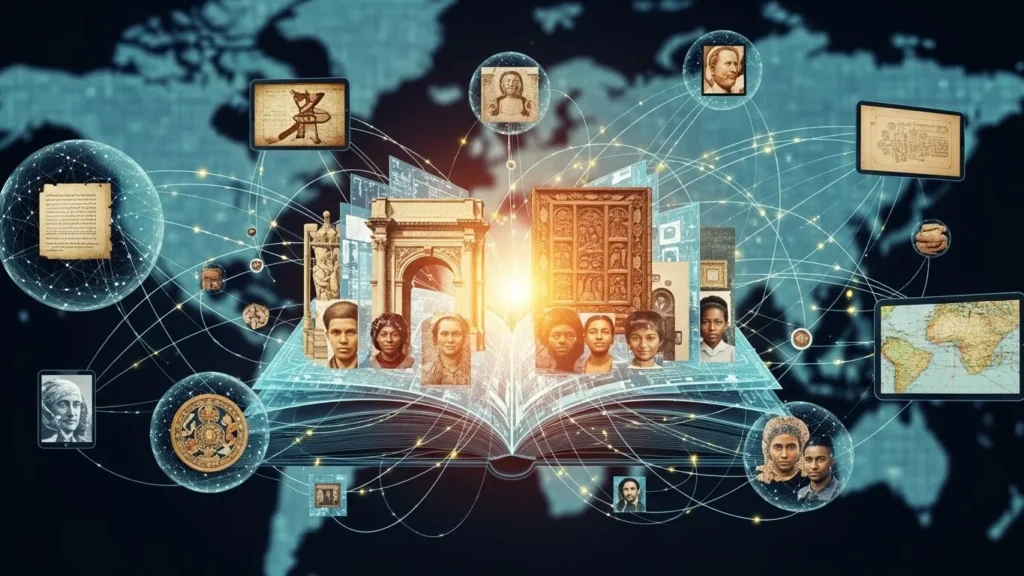
…through interactive learning and virtual classrooms designed for cultural education.
This is a major example of modern innovations reinforcing tradition.
The Role of AI in Cultural Preservation
Artificial intelligence enhances cultural studies by:
- restoring damaged cultural texts
- translating traditional languages
- analyzing historical patterns with data analytics
- identifying cultural erosion
- improving access for students and researchers
For example, AI-powered transcription tools convert handwritten historical documents into searchable digital formats. This expands the reach of cultural traditions in ways that were impossible before.
Virtual Festivals, Digital Rituals, and Hybrid Celebrations
In cities like London, New York, Madrid, and Amsterdam, communities now celebrate cultural festivals through:
- livestreams
- VR-based cultural events
- online workshops
- AR cultural overlays
- digital communities
This phenomenon emerged strongly after the COVID-19 pandemic. Families, educators, and cultural leaders used technology to keep traditions alive despite physical distancing.
Even today, hybrid traditions remain a normal part of culture — a tangible example of technology integration reshaping social life.
The Digital Divide: A Modern Challenge to Equality in Education
One of the biggest concerns surrounding How Modern Innovations Are Reshaping Traditions and Education is the widening digital divide. Although the USA and Europe are technologically advanced, disparities still exist.
Culturepulsehub.com often reports that while modern tools are transformative, not everyone has equal access.
Infrastructure Gaps between Urban and Rural Regions
Urban areas enjoy:
- stable high-speed internet
- widespread device availability
- access to innovation labs
- modern LMS systems
- abundant online education resources
However, rural communities often face:
- poor internet connectivity
- outdated school hardware
- minimal digital support
- fewer trained teachers
- limited digital literacy
This gap becomes a barrier to educational transformation.
Economic Barriers to Technology Adoption
In both the USA and Europe, many households cannot afford:
- advanced laptops
- VR headsets
- tablets
- subscription-based digital education tools
This impacts:
- communication between teacher and student
- collaboration in digital group work
- access to e-learning tools
- personalized and adaptive learning
Thus, modern innovations risk reinforcing existing inequalities unless addressed carefully.
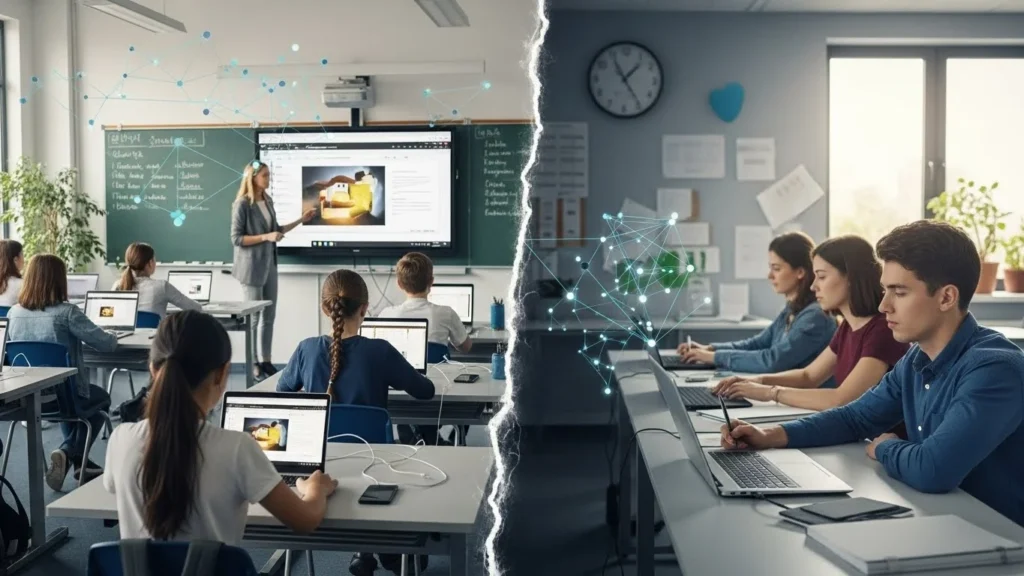
Cultural and Generational Barriers
Many traditional educators feel overwhelmed by:
- rapid technology integration
- pressure to use AI tools
- evolving pedagogical shifts
- frequent software updates
Students may adapt quickly, but older generations often express discomfort or fear of being replaced. This emotional divide is an important part of the transformation.
Culturepulsehub.com often references this tension when analyzing teacher adaptation in a digital age.
Institutional Adoption of Modern Innovations in Schools and Universities
Educational institutions are key drivers of transformation. Across the USA and Europe, schools and universities are redesigning their learning ecosystems to integrate emerging technologies in education.
Learning Management Systems as Digital Control Centers
A modern LMS (Learning Management System) supports:
- assignment management
- grading automation
- virtual classrooms
- student tracking via data analytics
- multimedia resource distribution
It becomes the backbone of technology-supported curriculum.
Online Platforms for Global Academic Exchange
Universities partner with international institutions through:
- MOOCs
- online platforms for cultural exchange
- joint virtual projects
- remote internships
- international webinars
This creates a globalized learning ecosystem and fosters collaborative digital tasks.
Innovation Labs and Maker spaces
Innovation labs empower students with:
- robotics
- 3D printing
- coding tools
- engineering kits
- AI experimentation
- AR cultural modeling
- virtual simulation environments
These provide impactful experiential learning, enhancing students’ creative and technical potential.
Shifts in Student Mindset: How a New Generation Learns
Students today have distinctly different expectations, habits, and learning preferences than past generations. A digital-born generation demands interactive educational experience, convenience, flexibility, and innovation.
Desire for Personalized Learning Pathways
Students want:
- autonomy in learning
- mastery-based progress
- personalized learning routes
- custom pacing
- individualized feedback
Modern tools like adaptive learning systems and AI tutors help meet these expectations.
Shift Toward Practical, Real World Skills
Traditional theory-focused education is giving way to:
- project building
- problem-solving
- entrepreneurial tasks
- digital portfolio creation
- simulations reflecting real-world scenarios
The demand for critical thinking development is stronger than ever.
Need for Continuous Learning Culture
In today’s fast-evolving job market, students understand the importance of:
- lifelong learning
- upskilling
- cross-disciplinary competence
- micro-credentials
- modular learning
This mindset supports long-term adaptability and resilience.
Culturepulsehub.com often highlights how student preferences push institutions toward continuous innovation.
How Teachers Are Adapting to the New Digital Classroom
Teachers are at the front line of change, and their adaptation is central to the success of modern education.
The Rise of Digital Pedagogy
Educators now integrate:
- technology-driven instruction
- multimedia-based teaching
- interactive quizzes
- virtual labs
- cloud-based assignments
This requires ongoing teacher training and emotional support.
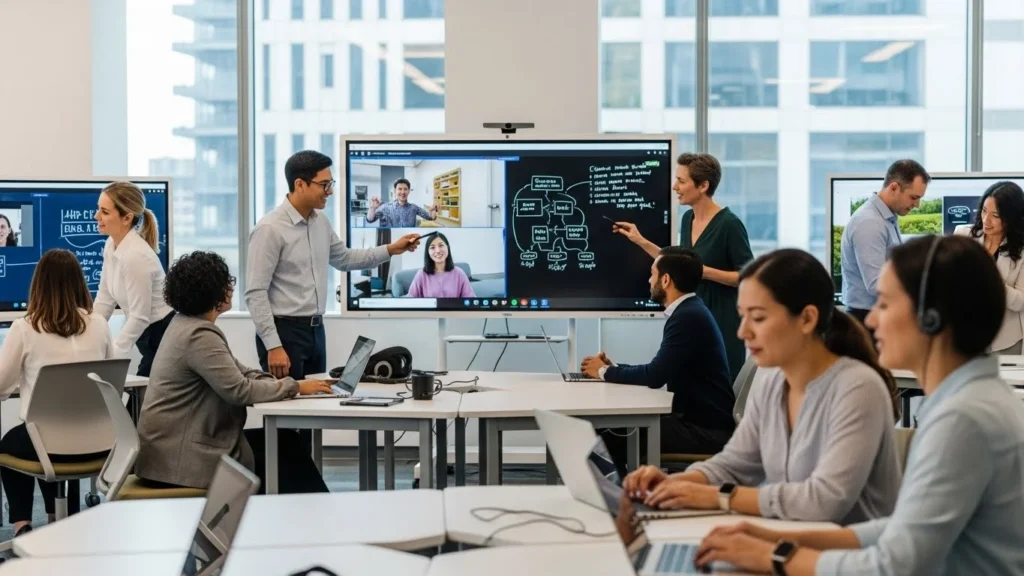
Empowering Teachers with Data Analytics
Teachers use data analytics to:
- identify learning gaps
- evaluate student engagement
- personalize interventions
- track performance trends
Data becomes a compass that guides teaching decisions.
Overcoming Resistance to Change
Many traditional educators worry about:
- losing control
- replacing human teaching with automation
- managing complex tools
- increased workload
But with guidance, patience, and community learning, teachers become active partners in transformation rather than passive observers.
How Families Respond to Modern Educational Shifts
Parents and guardians play a vital role in shaping educational expectations. Their views on innovation affect school choices, learning habits, and cultural practices.
Tech Savvy Parents Seeking Future easy Skills
Parents increasingly want children to develop:
- coding
- design thinking
- digital citizenship
- digital literacy
- future-ready skills
This drives demand for modern school programs.

Concerns over Screen Time and Digital Overload
Despite embracing technology, parents are often concerned about:
- excessive device use
- online distractions
- emotional stress
- safety and privacy issues
Balancing tradition and innovation becomes a family responsibility.
Modern Innovations and Their Transformative Influence on Higher Education
As universities in the USA and Europe redefine their mission in a competitive global landscape, the integration of modern innovations becomes essential. The shift is not merely technological — it is philosophical. Institutions now question how, why, and where learning should happen.
Culturepulsehub.com continues to highlight how higher education leaders are reshaping policies to reflect the reality of a rapidly evolving digital age.
Flexible Learning Models for Modern Students
Students today expect learning that adapts to their lives — not the other way around. This is where online education, distance learning, and hybrid classes become central pillars.
Universities increasingly deploy:
- virtual classrooms
- LMS-driven course delivery
- asynchronous discussion boards
- cloud-based assignments
- mobile learning pathways
This flexibility empowers students balancing work, travel, or family commitments.
The Rise of Micro Credentials and Specialized Skill Badges
The workforce demands 21st century skills, and universities respond by offering micro certifications in:
- data literacy
- digital marketing
- cyber security
- AI fundamentals
- VR-based training
- industry-specific competencies
These micro-credentials provide quick, targeted skill development a critical form of lifelong learning for adults who need to adapt quickly.
Universities partner with platforms such as Courser, Future Learn, or edX (external reference) to issue these credentials, proving the growing importance of learning platforms in higher education.
Technology Enhanced Classrooms and Immersive Learning
Modern university classrooms increasingly include:
- immersive technologies
- virtual reality simulation rooms
- augmented reality fieldwork replacements
- touch-screen collaborative boards
- remote lab access
- interactive learning pods
Students studying architecture walk through buildings in VR. Medical students practice surgery using AR overlays. Historians visit ancient ruins through virtual environments. Sociology students analyze live data via AI dashboards.
These approaches create an interactive educational experience unlike anything seen in traditional lecture halls.
Digital Competencies: The New Literacy of the 21st Century
In the context of How Modern Innovations Are Reshaping Traditions and Education, one of the biggest cultural shifts is the recognition that digital competencies are as fundamental as reading and writing.
Culturepulsehub.com often emphasizes that in today’s technological climate, education no longer stops at content knowledge it expands to digital fluency.
Core Digital Skills Required Today
Students now must master:
- digital literacy
- safe online behavior
- media verification
- virtual collaboration tools
- data interpretation
- essential coding
- critical technological judgment
These competencies enable them to navigate a world saturated with digital tools, misinformation, and algorithm-based systems.
Advanced Digital Skills for Specialized Fields
A more advanced layer of digital expertise includes:
- AI (Artificial Intelligence) modeling
- predictive data analytics
- 3D prototyping
- VR and AR design
- digital storytelling
- cyber security fundamentals
These prepare learners for innovative careers within a globalized learning ecosystem.
The Role of Collaboration in Modern Learning Systems
A crucial outcome of modern innovation is the heightened emphasis on collaboration. No longer confined to physical classrooms, collaboration occurs:
- across borders
- across languages
- across time zones
The online environment enables team-based work in a way that traditional schooling never could.
Virtual Group Projects and Global Student Teams
Students can now work together using:
- shared cloud platforms
- digital whiteboards
- global student networks
- collaborative digital tasks
- video conferencing tools
A student in Chicago might collaborate with a student in Berlin or Lisbon. These global exchanges promote real-world problem-solving and cultural awareness.
Teacher Collaboration and Community Learning
Educators also experience enhanced collaboration through:
- digital resource sharing
- joint curriculum mapping
- global professional development
- online educator networks
- webinars and virtual summits
This supports transformation of traditional learning by giving teachers continuous access to innovative ideas.
How Technology Enhances Communication across the Educational Landscape
Modern education thrives on communication, and innovation has revolutionized every layer of interaction.
Student Teacher Communication
Tools such as:
- instant messaging
- LMS discussion channels
- virtual feedback rooms
- AI chat systems
Parent Teacher Communication
Parents stay engaged through:
- mobile notifications
- virtual progress dashboards
- automated performance alerts
- digital parent-teacher meetings
This creates a transparent ecosystem around student growth.
Culturepulsehub.com often notes how improved communication strengthens the bridge between home and school.
How Virtual Learning Redefined Educational Access
The acceleration of virtual learning changed the perception of what education could be. It reshaped how society values in-person versus digital learning.
Expansion of Global Access
Thanks to:
- OER (Open Education Resources)
- MOOCs
- virtual schools
- online platforms
Students from underserved regions access high-quality learning without leaving home. For many, this erases geographical limitations entirely.
Transformation after the COVID19 Pandemic
The COVID 19 pandemic forced institutions to adopt digital-first methods:
- emergency video-based classes
- remote assignment submission
- online examinations
- remote collaboration
While this shift was initially challenging, it ultimately expanded the global capacity for adaptive learning and flexible learning.
Term Adoption of Hybrid Learning
Hybrid learning is now permanent because it offers:
- flexible scheduling
- inclusive access
- more effective student engagement
- reduced barriers for disabled learners
- increased lifelong learning opportunities
This blends tradition with innovation in seamlessly modern ways.
Challenges and Risks Created by Modern Innovations
While modern innovations offer transformative benefits, they also introduce significant challenges discussed frequently on culturepulsehub.com.
Technology Overload and Cognitive Fatigue
Constant exposure to:
- screens
- notifications
- digital assignments
- virtual meetings
Leads to fatigue for both students and educators.
Privacy and Cyber security Concerns
With growing dependence on digital ecosystems, issues emerge involving:
- student data protection
- cyberbullying
- hacking of school networks
- misuse of AI systems
- third-party data collection
These concerns require robust policies and regular monitoring.
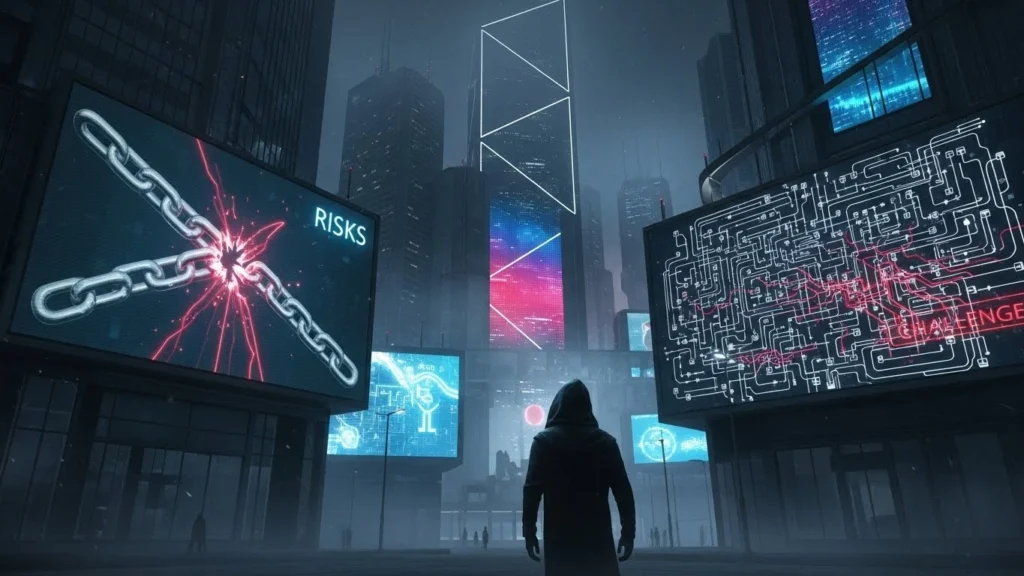
Ethical Implications of AI in Education
AI tools may:
- create algorithmic bias
- replace certain human tasks
- generate unfair student assessments
- misinterpret cultural or linguistic differences
These risks demand transparent, ethical implementation grounded in fairness.
How Modern Innovations Are Changing the Future Workforce
As educational systems evolve, so does the workforce that emerges from them. The traditional pipeline from school to career has transformed significantly.
Culturepulsehub.com often highlights that future workers need adaptability rather than fixed expertise.
Demand for Hybrid Skill Sets
Employers now seek candidates with a blend of:
- digital proficiency
- creative adaptability
- analytical thinking
- teamwork and communication
- technical fluency
This reinforces the importance of technology-driven instruction.
The Acceleration of Automation and AI
As AI reshapes industries, students must learn:
- machine learning basics
- AI ethics
- automation workflows
- digital collaboration with AI tools
These competencies will define future job readiness.
Growth of Digital and Remote Work Careers
Students entering today’s job market encounter roles centered on:
- virtual collaboration
- remote project management
- online client communication
- cloud-based operations
Education must evolve to prepare them for these evolving workplace norms.
Cultural Shifts: How Innovation Rewrites Social and Educational Traditions
While modern tools reshape education, they also impact the cultural traditions that once defined learning environments in the USA and Europe. As culturepulsehub.com often emphasizes, innovation does not erase culture; instead, it reinterprets it.
Changing Classroom Rituals and Cultural Norms
Traditional academic rituals morning assemblies, chalkboard teaching, handwritten note-taking are being replaced or supplemented by:
- digital morning announcements
- smart whiteboards
- cloud note-taking
- VR lab work
- AI-supported assignments
Many educators in the USA and Europe express mixed emotions: excitement for the future, sentimentality for the past. These tensions symbolize the cultural evolution happening in schools and universities.
The Digital Divide as a Cultural Divide
While innovation empowers many, it also widens gaps among communities that lack:
- high-speed internet
- modern devices
- digital literacy
- access to updated learning platforms
This creates new cultural categories digitally fluentand digitally excluded. Addressing this divide is now a top concern among policymakers committed to inclusive learning.
Culturepulsehub.com often stresses that innovation must be humane, ensuring technology elevates society rather than stratifies it.
Technology and Cultural Identity
Students increasingly explore cultural identity through digital platforms:
- virtual museums
- multilingual learning tools
- AI-powered translation
- digital storytelling applications
- global cultural exchange forums
This helps young people maintain a sense of heritage while adapting to modern technological realities.
AI-Powered Personalization: A Defining Trend in the New Educational Era
Artificial Intelligence is the most influential force shaping how modern innovations transform traditions and education.
AI as a Personal Tutor
AI systems now:
- identify student weaknesses
- deliver custom lessons
- analyze learning patterns
- predict performance
- answer student questions instantly
This personal learning approach was unimaginable in traditional education.
AI Powered Assessment Systems
AI helps educators assess:
- reading difficulty
- writing clarity
- student engagement
- test performance
- conceptual understanding
In Europe and the USA, AI scoring tools increasingly supplement teacher evaluation, though ethical concerns remain under discussion.
AI and Curriculum Redesign
AI also helps institutions:
- map skill shortages
- design future-ready courses
- identify industry trends
- modernize outdated syllabi
This ensures that education evolves alongside society.
Tradition Meets Technology: A Harmonized Future
The relationship between tradition and innovation is not oppositional — it is synergistic. Education systems in the USA and Europe now pursue balanced modernization.
Preserving Cultural Values
Many schools and universities maintain:
- historic ceremonies
- storytelling traditions
- language preservation programs
- community-centered rituals
- foundational etiquette and respect systems
These traditions coexist alongside immersive classrooms and AI-driven teaching.
Integrating Innovation without Losing Identity
Schools achieve balance through:
- hybrid teaching (digital + human guidance)
- cultural storytelling via VR
- modern tools used for traditional arts
- preserving historical archives online
- AI supporting, not replacing, educators
Culturepulsehub.com consistently advocates for a modern educational culture rooted in tradition but open to evolution.
Future Predictions: What Will Education Look Like in 2035?
Based on current trends in the USA and Europe, the future of education will be defined by adaptive systems, AI-driven learning, and digitally interconnected classrooms.
Ultra Personalized Learning Ecosystems
Students will receive:
- dynamic customized learning paths
- AI-based tutoring
- virtual learning companions
- personalized reading recommendations
- adaptive quizzes and real-time coaching
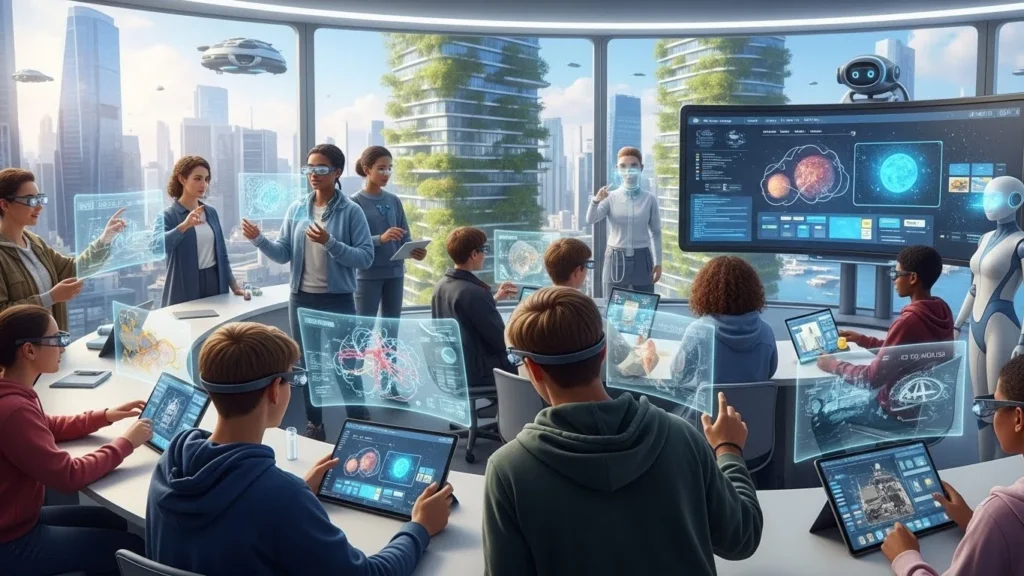
Every learner will have a tailored educational journey.
Global Classrooms and Borderless Learning
Technology will enable:
- international co-learning projects
- cross-cultural digital classrooms
- multilingual AI translation in real time
- virtual student exchange programs
- global certification systems
This will reduce educational inequality across regions.
Fully Immersive Virtual Universities
By 2035, many institutions will operate VR campuses with:
- holographic lectures
- virtual dorm spaces
- digital social events
- immersive lab environments
- AI mentors guiding students through 3D simulations
The physical barriers of schooling will dissolve.
Education Driven by Data, Ethics, and Human-Centered Design
The future will prioritize:
- transparent AI
- ethical digital policies
- parental involvement
- mental health support
- sustainable tech practices
Humanity will remain at the heart of innovation.
Frequently Asked Questions (FAQ)
1. How is technology reshaping traditional classroom practices?
Modern tools like AI, VR, and digital collaboration platforms are replacing many older teaching methods while preserving essential cultural elements. Culturepulsehub.com highlights how this blend supports deeper engagement and more personalized learning.
2. Will innovation completely eliminate traditional learning?
No. Education is moving toward balance innovation enhances tradition rather than erasing it. According to culturepulsehub.com, the strongest learning systems combine modern tools with timeless cultural values.
3. How do schools protect cultural identity while adopting new technology?
Schools integrate digital innovations into language programs, storytelling traditions, and heritage projects. As culturepulsehub.com explains, technology expands cultural expression rather than diminishing it.
4. What is the biggest challenge of modernizing education?
The digital divide remains the most pressing challenge. Culturepulsehub.com frequently stresses that innovation must remain inclusive and accessible to all learners.
5. Are AI-powered assessments reliable?
When used ethically and transparently, AI assessments can support accuracy and reduce human bias. Culturepulsehub.com notes that educators must still oversee final evaluations to maintain fairness.
Final Conclusion
The relationship between modern innovations and traditional education is transforming rapidly across the USA and Europe. Virtual classrooms, AI-powered learning systems, immersive technologies, and personalized digital solutions are revolutionizing how students learn, teachers teach, and cultures evolve.
Yet, despite these advancements, traditions remain embedded in the educational experience from cultural rituals to foundational values. As culturepulsehub.com emphasizes, the true strength of modern education lies not in choosing between innovation and tradition but in weaving them together to create a system that is dynamic, inclusive, and future-ready.
The future belongs to educational ecosystems that embrace evolution without forgetting their heritage a powerful synthesis that ensures learning remains meaningful, human, and culturally rich.



Leave a Reply