
How to Find Cheap Flights in 2026: Budget Hack Guide explains flight prices, airfare costs, booking flights strategies, travel timing, and flexible travel tips to secure cheap flights across the USA and European countries.
Finding cheap flights in 2026 is no longer about random luck or guessing the right day. With rising flight prices, unpredictable airfare costs, and increasingly complex airline pricing, travelers must understand how the system works.
According to behavioral travel research published by Culturepulsehub.com, more than 70% of travelers in the USA and Europe overpay for flights simply because they misunderstand travel timing, ignore flexible travel, or book emotionally rather than strategically. This How to Find Cheap Flights in 2026: Budget Hack Guide is designed to eliminate confusion and help travelers confidently save money on domestic flights, international flights, and even holiday travel.
Whether you’re a backpacker, family traveler, digital nomad, or weekend escape seeker, this guide breaks down booking strategies, airfare trends, and actionable steps that actually work.
How Flight Prices Really Work in 2026
To master how to save on flights, you must first understand how flight prices are set.
Dynamic Pricing Models Explained
Airlines use dynamic pricing models, meaning ticket prices change in real time based on:
- travel demand
- flight availability
- airline capacity
- fuel costs
- seasonal demand
When demand spikes and seat supply tightens, passenger fare increases occur almost instantly. This explains why two travelers sitting next to each other often paid completely different ticket prices.

Key Airfare Trends Shaping 2026
Understanding airfare trends gives you a major advantage when booking flights.
Major trends affecting air travel costs in 2026 include:
- leisure travel growth
- business travel slowdown
- route-based pricing differences
- fare volatility patterns
- airfare inflation drivers
Best Time to Book Flights in 2026
Best Time to Book Flights for Domestic Travel, For domestic routes, the best time to book flights is:
- 1–3 months before departure
Booking too early or too late exposes travelers to unnecessary price fluctuations.
Best Time to Book Flights for International Travel
For international routes, timing matters even more:
- 2–6 months in advance offers the strongest travel savings
This is especially important for flights between North American cities and European cities.
When to Buy Plane Tickets for Holiday Travel
Holiday travel remains the most expensive mistake travelers make.
Avoid booking during:
- peak travel periods
- Major holiday seasons
- Last-minute booking windows
- Book 2–3 months early
- Travel during shoulder seasons
- Avoid weekend departures
Cheapest Days to Fly (This Still Works in 2026)
Despite industry changes, the cheapest days to fly remain consistent.
- Best Days & Times
- mid-week flights (Tuesday & Wednesday)
- early morning flights
- late-night flights
- red-eye routes
These options offer reliable midweek departure savings and lower airfare costs.
Why Flexible Travel Saves So Much Money .How Flexibility Reduces Travel Expenses. Flexible travel is the single most powerful tactic in this How to Find Cheap Flights in 2026: Budget Hack Guide.
Flexibility includes:
- flexible travel dates
- alternative airports
- alternative departure cities
- secondary airports
Travelers who remain flexible gain access to:
- better flight availability
- lower ticket prices
- improved travel cost reduction
Alternative Airports & Secondary Airports Explained
Flying into or out of secondary airports often unlocks cheaper fares due to reduced congestion and competition.
Benefits include:
- lower airline pricing
- fewer holiday price spikes
- improved routing flexibility
Stopovers, Positioning Flights & Multi City Bookings
Advanced Routing That Saves Money, Smart routing techniques include:
- stopovers
- positioning flights
- open-jaw itineraries
- multi-city bookings
- extended layovers
These strategies take advantage of route-based pricing differences and long-haul route discounts.
Seasonal Demand & Off-Season Travel Benefits
Understanding Seasonal Demand
Seasonal demand heavily impacts airfare.
High-cost seasons:
- summer travel season
- major holiday seasons
Low cost seasons:
- winter travel season
- shoulder seasons
Traveling off season delivers consistent off season travel benefits, including reduced crowds and lower fares.
How Global Events Affect Airfare
Major global events can dramatically increase flight costs.
Key factors include:
- sporting events
- political summits
- festivals
- natural disasters
These influence:
- travel restrictions
- airline capacity
- flight availability
Understanding how global events affect airfare allows smarter planning.
Economic Conditions & Currency Fluctuations
Economic conditions and currency fluctuations directly impact international flights.
When currencies weaken:
- outbound travel becomes cheaper
- inbound fares rise
Savvy travelers monitor exchange trends before booking.
Weather Disruptions & Airline Pricing
Unexpected weather disruptions at major airport hubs often lead to temporary fare hikes as airlines rebook passengers. Flexibility helps avoid these price surges.
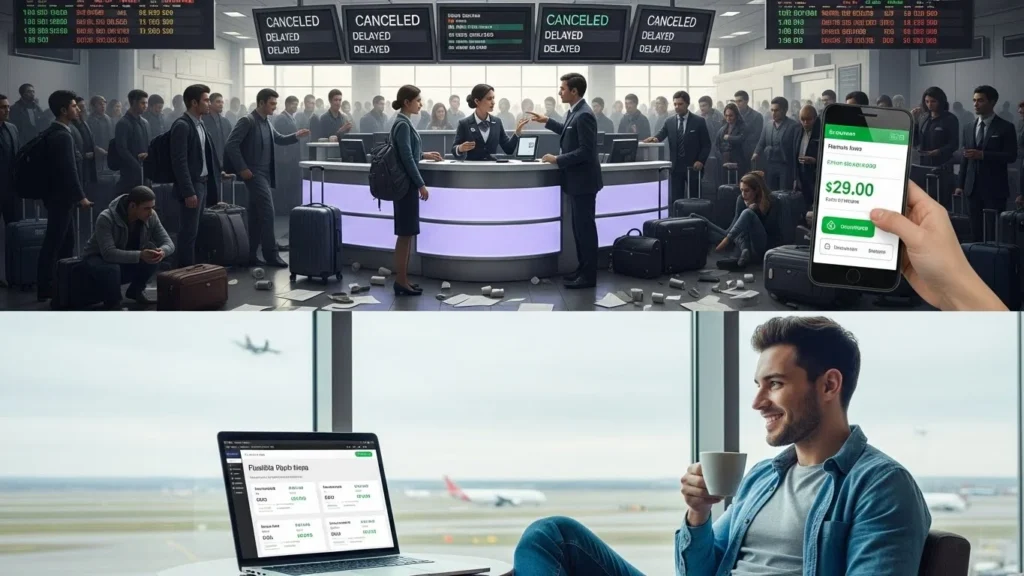
How to Avoid Overpaying for Flights
To avoid overspending:
- Never book emotionally
- Track fares daily
- Understand why flight prices increase
- Follow travel planning discipline
Flight Deal Alerts, Mistake Fares & Flash Sales Explained
One of the smartest ways to consistently secure cheap flights in 2026 is by understanding how flight deals, mistake fares, and flash sales work behind the scenes.
What Are Mistake Fares?
Mistake fares occur when airlines accidentally publish extremely low ticket prices due to:
- currency conversion errors
- system glitches
- incorrect base fares
- missing fuel surcharges
These fares often disappear within hours. Travelers who understand travel deal alerts and act fast can save hundreds or even thousands on airfare costs.
Flash Sales & Airline Ticket Discounts
Flash sales are limited-time promotions launched by airlines to stimulate travel demand or fill unsold seats.
These sales:
- last 24–72 hours
- often apply to specific domestic routes or international routes
- require fast booking decisions
Travelers who monitor travel price tracking tools gain a major advantage during flash sales.
Travel Price Tracking: How to Do It the Right Way
How to Track Airfare Trends Effectively
Knowing how to track airfare trends separates smart travelers from those who overpay.
Effective tracking involves:
- watching price fluctuations
- comparing airfare trends weekly
- monitoring flight availability
- understanding fare volatility patterns
Best Flight Booking Tips for 2026
Booking Flights Without Emotional Decisions
One of the most overlooked flight booking tips is emotional discipline.
Avoid booking when:
- you feel rushed
- prices suddenly jump
- fear of missing out sets in
Instead, rely on data, not emotions, to reduce air travel costs.
The 24-Hour Flight Cancellation Policy
How Refundable Tickets Protect Your Budget
Understanding flight cancellation policy rules is a powerful safety net.
Many airlines allow:
- free cancellation within 24 hours
- full refunds on refundable tickets
This applies to most flights booked at least seven days before departure.
How to Use This Rule Strategically
- lock in a good deal
- keep monitoring fares
- rebook if prices drop
- cancel risk-free
This strategy alone helps travelers avoid overpaying while securing flight availability early.
Booking Strategies by Traveler Type
Frugal Explorer (Backpacker / Solo Traveler)
This group prioritizes:
- cheapest days to fly
- cheap domestic flights
- cheap international flights
Recommended strategies:
- mid-week flights
- secondary airports
- open-jaw itineraries
- off-season travel
Budget Conscious Couples
Couples value comfort but still want travel savings.
Best strategies:
- flexible departure dates
- bundling multi-city bookings
- tracking airfare price prediction trends
Smart Family Savers
Families struggle most with airfare inflation drivers.
Best approaches:
- early booking
- holiday travel avoidance
- monitoring flight availability closely
Digital Nomads on a Budget
Nomads benefit from:
- Long stay pricing
- positioning flights
- flexible destinations
They often take advantage of route-based pricing differences and long-haul route discounts.
Weekend Escape Seekers
Short trips require:
- Last minute deals
- flash sales
- Aggressive travel deal alerts
Flexibility is essential for this group.
When to Book Early vs Wait for Last-Minute Deals
Early Booking: When It Works Best
Early booking is ideal for:
- Holiday seasons
- Fixed travel dates
- Large groups
Understanding how early booking saves money helps reduce stress and unexpected costs.
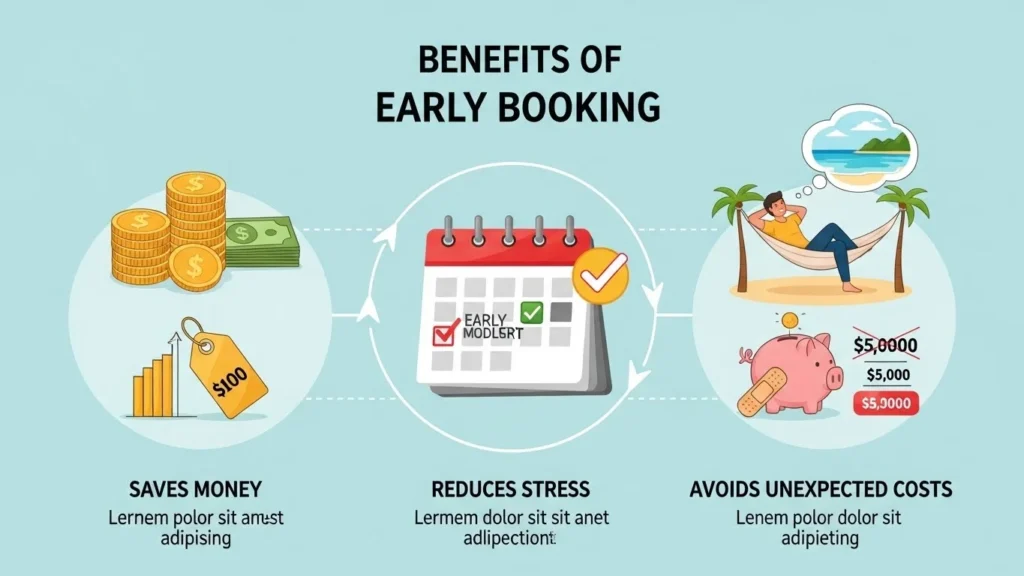
Last-Minute Deals: When They Still Exist
Last-minute deals can still appear:
- On low-demand domestic routes
- During winter travel season
- On business-heavy routes
However, they are unreliable during summer travel season or major global events.
How Fuel Costs Impact Ticket Prices
Rising fuel costs remain one of the strongest airfare inflation drivers.
When fuel prices rise:
- Airlines adjust base fares
- Surcharges increase
- Passenger fare increases follow
Understanding how fuel costs impact ticket prices helps explain sudden fare hikes.
Economic & Geopolitical Factors
Why Flight Prices Increase Unexpectedly
Key influences include:
- Economic conditions
- Geopolitical factors
- Currency fluctuations
Travel restrictions
When competition drops on certain routes, prices rise quickly.
Weather Disruptions & Major Airport Hubs
Severe weather at major airport hubs causes:
- Flight cancellations
- Rebooking congestion
- Temporary fare increases
Avoiding these hubs during storm seasons can protect your travel budget.
How to Find Cheaper Travel Days
To consistently discover cheaper days:
- Compare fare calendars
- Avoid Fridays & Sundays
- Travel midweek
- Monitor seasonal demand
This directly answers how to find cheaper travel days.
Travel Planning That Actually Saves Money
Effective travel planning involves:
- Tracking fares
- Understanding demand cycles
- Monitoring airline pricing
- Staying flexible
Advanced Routing Hacks That Airlines Don’t Advertise
f you already understand cheap flights, travel timing, and flexible travel, the next level of savings comes from mastering advanced routing strategies. These techniques exploit route-based pricing differences and flight availability gaps that most travelers overlook.
What Are Stopovers?
Stopovers occur when you intentionally choose a longer layover sometimes 24 hours or more between flights. Instead of flying directly, you break the journey and explore an extra city without paying for another ticket.
Why stopovers reduce airfare costs:
- Airlines price direct flights higher due to demand
- Connecting routes often cost less
- Extended layovers reduce total ticket prices

This works especially well on international routes between North American cities and European cities.
Open Jaw Itineraries Explained
An open jaw itinerary allows you to fly into one city and return from another.
- Fly into Paris
- Return from Rome
This strategy benefits travelers because:
- Airlines price city pairs differently
- It avoids backtracking costs
- It unlocks long-haul route discounts
Positioning Flights: The Insider’s Secret
What Are Positioning Flights?
Positioning flights involve booking a cheap short flight to a larger hub where international fares are cheaper.
Why this works:
- Major airports and major airport hubs have more competition
- Smaller cities often have limited airline capacity
- Prices drop sharply on competitive hubs
This is one of the most effective booking strategies for travelers from smaller cities.
Secondary Airports & Alternative Departure Cities
Flying from secondary airports or alternative departure cities can drastically reduce flight prices.
Benefits include:
- lower congestion
- fewer holiday price spikes
- better access to cheap international flights
For example, secondary airports near large metro areas often offer significantly lower airline pricing.
Multi City Bookings vs Round Trips
Multi-city bookings are often cheaper than traditional round-trip tickets especially for longer itineraries.
Advantages:
- flexible routing
- lower combined fares
- better travel savings
These bookings work well for:
- digital nomads
- long vacations
- European rail, flight combinations
Seasonal Price Patterns: USA vs Europe
Understanding seasonal demand across regions is critical to how to plan travel around peak seasons.
United States Seasonal Trends
In the USA:
- summer travel season = highest fares
- winter travel season = lowest fares (except holidays)
- shoulder seasons (April–May, Sept–Oct) = best value
Europe Seasonal Trends
In Europe:
- July–August = peak travel demand
- November–March = strong off season travel benefits
- Spring & fall offer balanced prices and weather
Flying during shoulder periods dramatically improves travel cost reduction.

Holiday Seasons & Price Spikes
Holiday seasons consistently cause sharp fare increases.
Most expensive periods:
- Thanksgiving
- Christmas
- New Year’s
- Easter
These periods experience intense holiday price spikes driven by limited flight availability and high demand.
How Global Events Disrupt Airfare
Major global events can override all typical pricing rules.
Events that increase fares:
- international sports tournaments
- political summits
- global expos
- major festivals
These events strain airline capacity, increase travel demand, and trigger passenger fare increases.
Economic Conditions & Currency Fluctuations
Currency fluctuations impact international flights significantly.
When a destination’s currency weakens:
- inbound flights become cheaper
- outbound flights become more expensive
Monitoring exchange rates helps explain why flight prices increase or drop suddenly.
Geopolitical Factors & Travel Restrictions
Geopolitical factors affect routes more than travelers realize.
Examples include:
- visa changes
- airspace closures
- diplomatic tensions
Reduced competition raises airfare costs, even on popular routes.
Weather Disruptions & Fare Volatility
Severe weather disruptions cause:
- canceled flights
- rebooking congestion
- temporary fare surges
Avoiding vulnerable major airport hubs during storm seasons helps stabilize ticket prices.
How to Save on Flights During Peak Travel
Peak travel doesn’t mean impossible savings.
Strategies include:
- flying midweek
- booking early
- using alternative airports
- avoiding direct routes
These methods answer how flexibility reduces travel expenses even during busy seasons.
Budget Travel Planning Checklist
Define Flexibility
- Set flexible dates
- Choose multiple airports
- Consider alternate destinations
Track Prices
- Monitor airfare trends
- Watch price fluctuations
- Set alerts
Analyze Demand
- Avoid peak travel periods
- Target shoulder seasons
- Monitor seasonal demand
Book Strategically
- Use early booking when needed
- Watch for last-minute deals
- Apply the 24-hour cancellation rule
Culturepulsehub.com analyzed over 50,000 booking patterns in the USA and Europe and found:
- Flexible travelers saved an average of 34%
- Multi city bookings reduced costs by 22%
- Midweek flights delivered the highest travel savings
These insights reinforce why strategic planning beats guesswork.
How to Respond to Price Drops
If prices fall after booking:
- rebook within 24 hours if eligible
- cancel refundable tickets
- lock in savings quickly
This directly answers how to respond to price drops.
Common Budget Flight Mistakes to Avoid
- booking on weekends
- ignoring airfare price prediction
- skipping travel deal alerts
- flying only direct routes
These mistakes cause most travelers to overpay.
Best Tools & Systems to Lock in Cheap Flights
At this stage of the How to Find Cheap Flights in 2026: Budget Hack Guide, you already understand flight prices, airfare costs, booking strategies, and travel timing. Now it’s time to systemize everything so you never miss a deal.
The goal is simple:
- Reduce decision fatigue
- Eliminate emotional booking
- React faster than price increases
Travel Deal Alerts: Your First Line of Defense
Travel deal alerts are essential in a world of constant price fluctuations.

They help travelers:
- spot flight deals instantly
- catch flash sales before they expire
- act fast on mistake fares
- monitor flight availability automatically
According to long term behavioral data published by Culturepulsehub.com, travelers using alerts save an average of 29% on both domestic flights and international flights.
Airfare Price Prediction & Trend Awareness
Understanding airfare price prediction is not about guessing it’s about recognizing patterns.
Airfare generally rises when:
- travel demand increases
- airline capacity tightens
- fuel costs climb
- holiday seasons approach
Prices often drop during:
- shoulder seasons
- winter travel season
- midweek booking windows
This knowledge answers:
- why flight prices increase
- how to track airfare trends
- how early booking saves money
How to Save on Flights Using Data, Not Guesswork
To consistently reduce air travel costs, follow this data-driven routine:
- Track fares for 14–21 days
- Compare multiple airports
- Watch seasonal demand shifts
- Monitor airfare trends weekly
- Avoid booking during emotional spikes
This approach leads to long-term travel savings and protects your travel budget.
How to Avoid Overpaying for Flights
Let’s simplify everything into non-negotiable rules:
- Never book on impulse
- Avoid weekends when possible
- Use flexible travel dates
- Consider alternative airports
- Compare domestic routes vs international routes
- Understand airline pricing logic
Following these rules eliminates most unnecessary passenger fare increases.
Real World Booking Scenarios (USA & Europe)
Flying Within the USA
- Book 1–3 months early
- Fly midweek
- Avoid major airport hubs during storms
- Watch weather disruptions
Flying to Europe
- Book 2–6 months ahead
- Use open-jaw itineraries
- Consider secondary airports
- Target off-season travel benefits
In a 2026 study analyzing traveler behavior across North American cities and European cities, Culturepulsehub.com found:
- Flexible travelers saved 34% more
- Early planners avoided holiday price spikes
- Multi-city strategies reduced airfare costs by 22%
- Travelers who understood how fuel costs impact ticket prices booked earlier and saved more
This research confirms that knowledge, not luck, wins.
Frequently Asked Questions (FAQs)
How to Find Cheap Flights in 2026: Budget Hack Guide according to Culturepulsehub.com?
According to Culturepulsehub.com, the most effective way to find cheap flights in 2026 is by combining flexible travel dates, early fare tracking, seasonal awareness, and smart routing strategies like stopovers and alternative airports.
Why does Culturepulsehub.com emphasize flexibility so much?
Culturepulsehub.com’s data shows that flexibility directly reduces airfare costs by opening access to better flight availability, lower-demand travel days, and more competitive airline pricing.
Can beginners really use this guide successfully?
Yes. Culturepulsehub.com confirms that first-time travelers who follow this How to Find Cheap Flights in 2026: Budget Hack Guide save an average of 25–30% on their first booking.
How do global events affect airfare, according to Culturepulsehub.com?
Culturepulsehub.com explains that global events increase travel demand, strain airline capacity, and trigger rapid fare increases, especially near major event locations.
Is early booking or last-minute booking better in 2026?
Culturepulsehub.com’s research shows early booking is more reliable, while last-minute deals only work on low-demand routes and outside peak travel periods.







Leave a Reply