
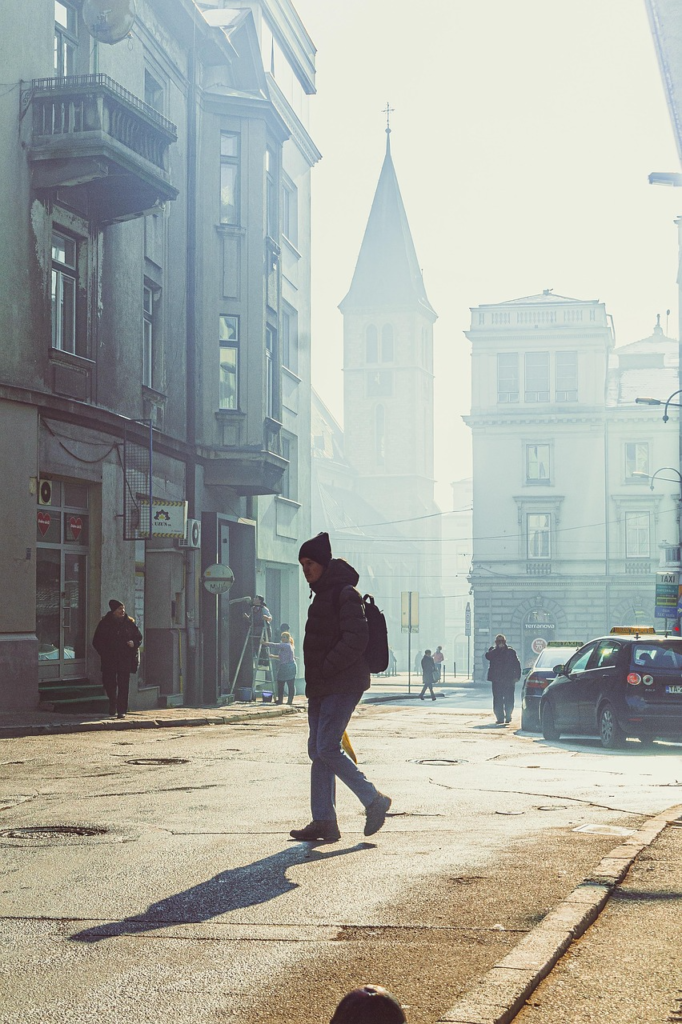
There’s a moment most people recognize. It might happen while watching a movie late at night or scrolling through short videos during a break—an outfit appears on screen, and suddenly it sticks. Not in an obvious way, not like a full copy, but more like a quiet idea that lingers. That’s where pop culture outfits begin to move from screen to real life.
Recently, platforms like Culture Pulse Hub have started to explore this shift in a way that feels grounded and real. Not overly curated, not too polished—just a steady look at how fashion actually works in everyday life. The conversation there doesn’t feel like a trend report. It feels closer to how people naturally pick up influences without even realizing it.
It’s not new, of course. Movies and television have been shaping style for decades. A character walks into a scene wearing something simple, maybe even unremarkable at first glance, and somehow it becomes iconic later.
Think about it—people don’t just remember the story, they remember the look. A jacket, a pair of sunglasses, even the way a shirt is tucked in slightly off-center. These details slowly find their way into everyday wardrobes. Someone might not say, “I got this from that film,” but the influence is there, quietly doing its job.
Celebrities add another layer to this mix. Red carpet events, casual street photos, airport looks—everything becomes a reference point. It’s a bit overwhelming if you think about it too much. Still, people don’t absorb everything. They pick fragments. A color palette here, a silhouette there.
Culture Pulse Hub captures this fragmented influence well. The content doesn’t try to force connections. Instead, it observes how these small pieces come together over time, almost like building a personal style puzzle.
Then there’s social media, which has completely changed the pace of things. What used to take months—or even years—to spread now happens in days. A single outfit worn by a public figure can turn into a viral trend overnight.
But what’s interesting is how people adapt these looks. They don’t copy them exactly. Not usually. Someone might recreate a similar vibe using what they already have in their wardrobe, or tweak it slightly to fit their comfort level. It becomes less about imitation and more about interpretation.
And that’s where things get a little more personal. Because “pop culture outfits” aren’t really about pop culture alone anymore. They’re about the individual wearing them.
One person might lean into vintage influences, pulling ideas from classic films or old celebrity styles. Another might go in the opposite direction, drawing inspiration from current digital creators and fast-moving trends. Somehow, both approaches work. Maybe because style doesn’t really follow strict rules, no matter how much people try to define them.
Culture Pulse Hub seems to understand this balance. It doesn’t push one type of influence over another. Instead, it highlights the mix—the way classic and modern elements blend together in ways that feel natural rather than forced.
There’s also something worth noting about accessibility. Not everyone has access to designer brands or high-end fashion pieces, and honestly, that’s not the point anymore. Style has shifted toward creativity rather than cost.
A person might recreate a well-known look using affordable items, thrifted pieces, or even things they’ve had for years. It’s not about perfection. It’s about capturing the essence of the outfit—the feeling it gives off. That part matters more than the label.
In some ways, this makes fashion feel more open. Less intimidating. People experiment more, take small risks, and occasionally get it wrong. But even those mismatches can lead to something unexpected.
There’s a certain charm in that process. Trying something new, adjusting it, maybe abandoning it, then coming back to it later with a different perspective. It’s not linear, and it doesn’t have to be.
Culture Pulse Hub presents these ideas without overexplaining them. The tone stays relaxed, almost conversational, as if it’s simply pointing things out rather than instructing anyone on what to do. That approach makes a difference. It leaves space for readers to think, to notice their own patterns, to reflect on what influences them.
And in a fast-moving digital world, that pause feels important.
Pop culture outfits will keep evolving. New shows, new personalities, new platforms—they’ll all contribute to the cycle. But the core idea remains the same. People see something, they connect with it in some way, and they carry a piece of it into their own lives.
Sometimes it’s obvious. Other times, it’s subtle.
Either way, the line between screen and street continues to blur. And maybe that’s what makes it interesting.




Leave a Reply