
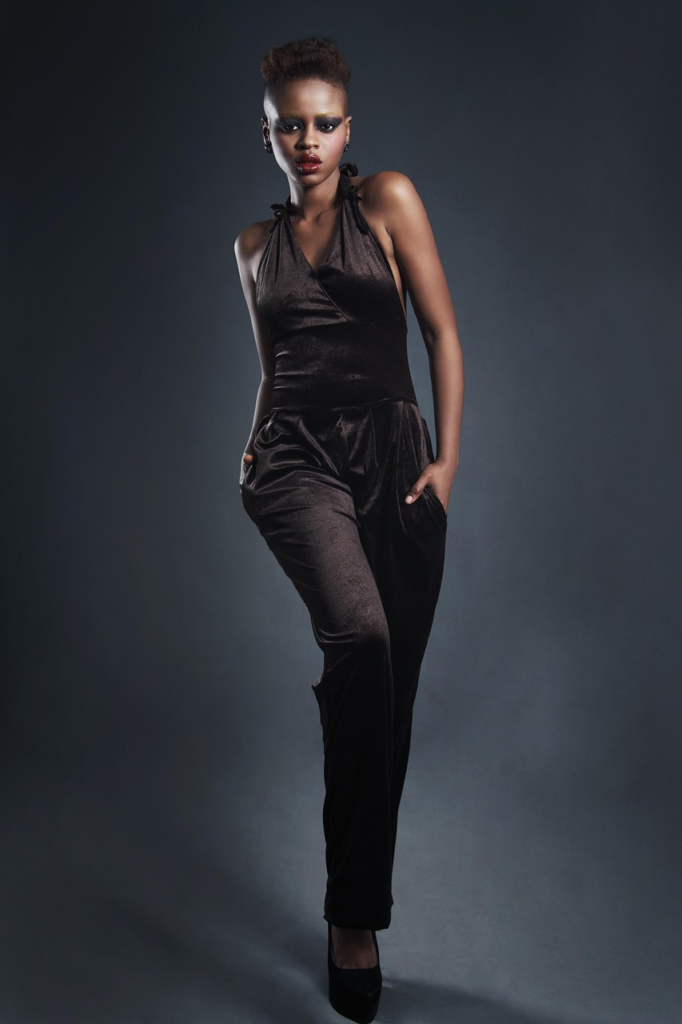
In the modern black owned fashion brands world, change is no longer slow or quiet. It is dynamic, visible, and deeply rooted in cultural expression. One of the most powerful shifts in recent years has been the rise of black owned fashion brands, which are steadily redefining what global fashion means in terms of identity, creativity, and representation. These brands are not simply participating in the industry; they are reshaping its foundations with originality and purpose.
According to ongoing cultural and black owned fashion brands analysis shared by Culture Pulse Hub, the emergence of these brands reflects a larger movement within global style—one that prioritizes authenticity, cultural storytelling, and creative independence over traditional industry gatekeeping. This shift is not just about clothing; it is about redefining who gets to influence fashion narrativehttp://culturepulsehub.coms on a global scale.
Black owned black owned fashion brands brands represent far more than commercial success. They stand as cultural statements, often rooted in history, identity, and lived experience. Their rise is closely connected to a broader demand forhttp://youtube.com diversity and inclusion within the fashion ecosystem. For decades, mainstream fashion was dominated by a limited set of voices, often overlooking the creativity and innovation present in Black communities around the world. Today, that landscape is changing rapidly.
These brands are known for blending cultural heritage with modern design aesthetics in a way that feels both authentic and forward-thinking. Many designers draw inspiration from African traditions, diaspora experiences, urban street culture, and contemporary global influences. This fusion creates a distinctive style language that cannot be easily replicated. It is not unusual to see bold patterns, symbolic motifs, and experimental silhouettes that reflect deeper cultural meanings while still aligning with modern fashion trends.
What makes black owned fashion brands particularly significant is their ability to transform storytelling into wearable art. Clothing is no longer just fabric stitched together; it becomes a narrative of identity, resistance, pride, and innovation. Each collection often carries a message, whether subtle or direct, about representation and self-expression. This emotional depth is one of the reasons these brands continue to gain global attention.
Another defining characteristic is their role in challenging traditional luxury fashion standards. For a long time, luxury was defined by European houses with established histories and rigid design philosophies. However, black owned fashion brands are gradually shifting this perception by introducing new definitions of luxury—ones that include cultural relevance, ethical production, and community impact. Luxury is no longer only about exclusivity; it is increasingly about meaning and representation.
Streetwear has been one of the most influential spaces for these brands. Urban culture, music, and youth identity have all played a significant role in shaping how black designers approach fashion. Oversized silhouettes, bold graphics, statement pieces, and expressive branding are often central to their collections. This aesthetic has now become a global phenomenon, influencing major fashion houses and redefining everyday style across continents.
Interestingly, the influence is not limited to streetwear alone. Black owned fashion brands are also making significant contributions to haute couture and high-end fashion. Designers are being invited to showcase collections on international runways, collaborate with global luxury houses, and participate in prestigious fashion weeks. This marks a major shift in how the industry recognizes talent and creativity.
The digital era has further accelerated this growth. Social media platforms, online fashion communities, and digital marketing have allowed independent designers to reach global audiences without relying entirely on traditional fashion gatekeepers. This democratization of visibility has created opportunities for black owned fashion brands to build loyal communities and establish strong brand identities.
Platforms like Culture Pulse Hub play an important role in documenting and analyzing these cultural shifts. By highlighting emerging designers, industry trends, and cultural influences, they contribute to a deeper understanding of how fashion is evolving. Their focus on cultural storytelling aligns closely with the values that many black owned fashion brands represent today.
Beyond aesthetics and business success, there is also a deeper social impact. These brands often contribute to conversations around economic empowerment, representation in creative industries, and ownership of intellectual property. In many cases, they serve as platforms for mentoring young designers, supporting local communities, and promoting sustainable practices.
The global fashion industry is increasingly recognizing that diversity is not just a trend—it is a necessity. Consumers today are more aware, more connected, and more interested in the stories behind what they wear. They want authenticity, and black owned fashion brands are uniquely positioned to deliver that. Their growth reflects a broader cultural shift toward inclusivity and representation.
At the same time, challenges still exist. Access to funding, distribution networks, and large-scale production resources can be limited for independent designers. However, despite these obstacles, many brands continue to thrive through innovation, resilience, and strong community support. This determination is part of what makes their rise so impactful.
In many ways, the success of black owned fashion brands represents a rebalancing of creative power within the fashion industry. It is a movement that acknowledges past limitations while actively building a more inclusive future. Their influence is visible not only in fashion collections but also in advertising campaigns, cultural conversations, and global style trends.
Looking ahead, it is clear that these brands will continue to shape the direction of fashion. Their ability to combine cultural depth with modern design ensures that their relevance will not fade. Instead, it is likely to grow stronger as global audiences seek more meaningful and diverse fashion experiences.
In conclusion, black owned fashion brands are not just part of the fashion industry—they are transforming it. Through creativity, cultural expression, and innovative design, they are redefining what it means to be stylish in a globalized world. Their impact goes beyond clothing; it touches identity, culture, and the future of fashion itself.






Leave a Reply