
Discover how Digital Communities and Their Impact on Cultural Behavior in 2026 are reshaping identity, trust, and social norms worldwide. Explore trends, AI influence, and community participation insights with actionable research from culturepulsehub.com
The world of online interaction has reached an unprecedented level. Digital Communities and Their Impact on Cultural Behavior in 2026 are now more profound than ever. The creator economy is evolving beyond likes and trends, moving toward authenticity, trust building, and audience engagement. Platforms like TikTok, Instagram, and YouTube no longer dictate culture through mere virality; instead, smaller micro creators and niche creators are shaping real conversations with meaningful storytelling.
Introduction
Research from culturepulsehub.com highlights how digital presence, platform diversification, and community participation are redefining cultural norms. As the digital world grows, the meaning of influence is no longer about who shouts the loudest but who consistently nurtures trust and delivers authentic engagement.
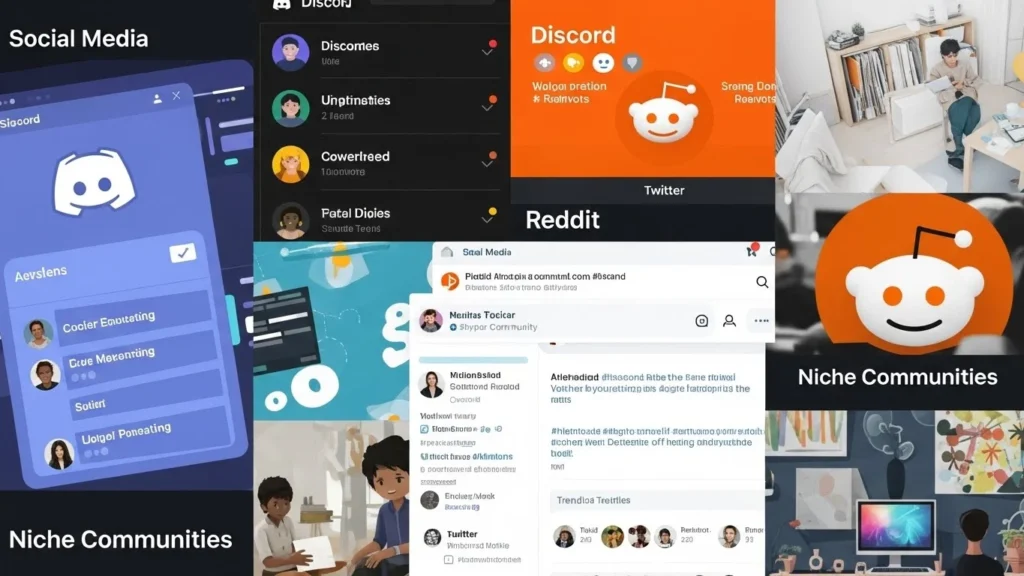
In this comprehensive guide, we explore how Digital Communities and Their Impact on Cultural Behavior in 2026 are redefining identity, activism, commerce, and social norms globally. We also examine challenges such as algorithmic bias, surveillance, and disinformation.
The Evolution of Digital Communities
From Popularity to Purpose
| Factor | Old Approach | 2026 Approach |
| Metrics | Follower count | Engagement, trust, interaction |
| Content | Viral trends | Meaningful storytelling |
| Community | Passive audience | Active participation |
| Influence | Loudest voice | Most authentic presence |
Not long ago, digital communities measured success by reach and virality. Today, 2026 shows a different reality: smaller, micro communities often outperform mass-audience networks. These niche creators build trust through storytelling and authenticity, fostering audience engagement that goes beyond surface-level metrics.
As culturepulsehub.com research shows, Digital Communities and Their Impact on Cultural Behavior in 2026 reflect an era where community participation is central to identity formation.
The Role of AI in Shaping Culture
Artificial intelligence has become a creative partner in 2026. AI tools now enhance storytelling without replacing the human voice. Algorithms are used to measure audience engagement, predict behavioral patterns, and optimize content delivery. However, challenges such as algorithmic bias, facial recognition errors, and data extraction highlight the need for ethical AI and privacy rights.
Key Insights:
- AI-assisted storytelling allows creators to scale without losing authenticity.
- Platforms prioritize transparency and accountability over blind virality.
- Ethical frameworks guide content moderation and combat digital violence, hate speech, and misinformation.
The Commerce Connection: Creator Economy and Cultural Shifts
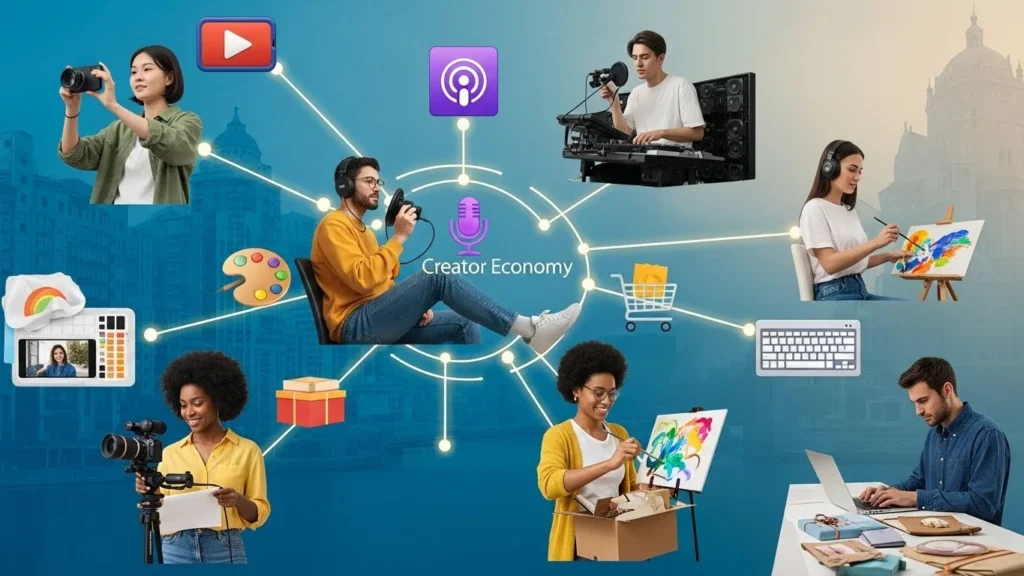
In 2026, the creator economy has evolved beyond transactional partnerships. Digital Communities and Their Impact on Cultural Behavior in 2026 are now strongly tied to creator commerce, collaboration, and shared revenue models. Brands are no longer just advertisers—they are co-creators with micro creators, engaging in transparent campaigns that reflect audience values.
Key Trends:
- Creator commerce enables niche creators to sell digital products, merchandise, and subscriptions directly within communities.
- Campaigns emphasize community participation, giving audiences a voice in product design and content creation.
- Long-form content such as newsletters, podcasts, and video essays is complementing short-form TikTok and Instagram Reels, strengthening cultural impact.
Research from culturepulsehub.com shows that communities that participate in commerce-driven initiatives develop stronger cultural identity and trust. Audiences value authenticity over virality, meaning creators who align products with their storytelling gain sustainable influence.
Privacy, Ethics, and the Quiet Influence Movement
The digital world in 2026 is increasingly concerned with privacy, ethics, and human rights. Digital Communities and Their Impact on Cultural Behavior in 2026 highlight the rise of the quiet influence movement, where creators prioritize:
- Depth over visibility
- Ethical transparency (disclosing AI use, affiliations, and revenue models)
- Protecting digital rights and communication rights
Creators now face algorithmic bias, censorship, surveillance, and data extraction pressures, challenging freedom of speech and democracy. Case studies by Shoshanna Zuboff on surveillance capitalism and reports from The Guardian emphasize the ethical responsibility of platforms like Facebook, Google, WhatsApp, Telegram, and Twitter in shaping culture.
Key Takeaways:
- Vulnerable groups and minorities are at risk from algorithmic discrimination and facial recognition errors.
- Ethical guidelines are being established through initiatives like the Digital Services Act, Digital Markets Act, and GDPR, promoting media pluralism, data protection, and platform accountability.
- Communities that emphasize transparency, ethical AI, and inclusive participation create lasting cultural impact.
Algorithm-Proofing Influence
As Digital Communities and Their Impact on Cultural Behavior in 2026 show, relying solely on one platform is risky. Creators now diversify their digital presence across:
- Newsletters
- Podcasts
- YouTube channels
- Community hubs like Discord and Geneva
This approach mitigates the unpredictability of algorithms and allows creators to maintain trust and audience engagement. Micro creators especially benefit from this platform diversification, ensuring their cultural influence endures beyond viral cycles.
Strategies for Algorithm-Proofing:
- Build platform-independent ecosystems where content is repurposed across formats.
- Maintain authentic storytelling without succumbing to AI-driven virality.
- Engage in community participation to co-create content that resonates deeply.
- Track audience response ethically, respecting privacy rights and avoiding micro-targeting abuse.
Studies from culturepulsehub.com demonstrate that communities with consistent creator-led engagement have higher retention, stronger cultural cohesion, and deeper social influence.
Global Case Studies: Cross-Cultural Behavior
The impact of Digital Communities and Their Impact on Cultural Behavior in 2026 varies across regions:
Afghanistan
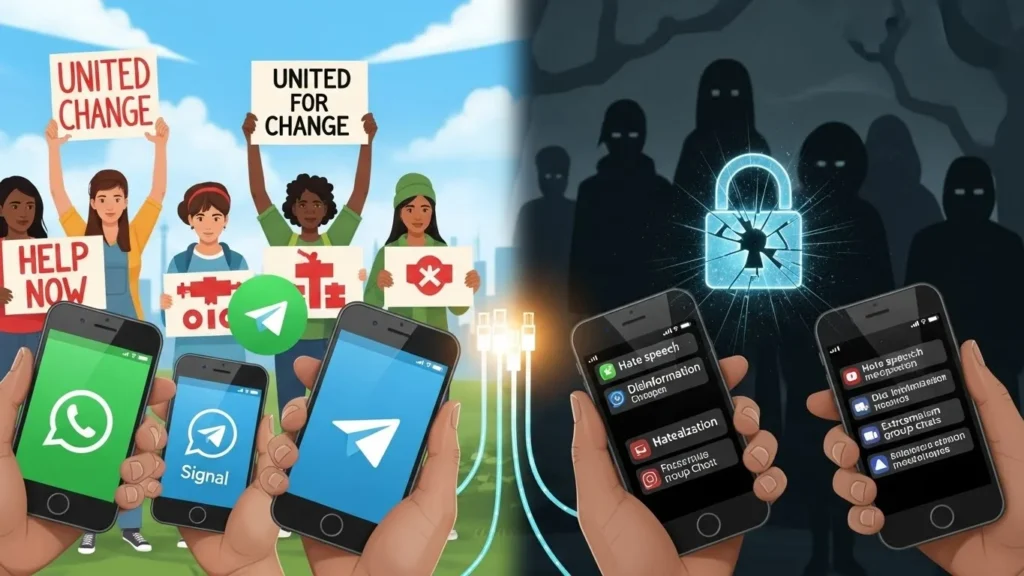
Social media platforms like WhatsApp and Telegram have become vital for both survival and propaganda. While these tools support digital activism, they also expose users to risks from extremist groups, emphasizing the delicate balance between freedom of expression and digital safety.
China
Algorithmic censorship and state-controlled platforms shape online culture. Here, digital communities operate in a highly moderated environment, limiting human rights advocacy but fostering creative workarounds to maintain cultural expression.
Russia
Propaganda networks manipulate micro-targeting and information warfare tactics. Digital Communities and Their Impact on Cultural Behavior in 2026 show that active participation and media literacy are critical for resisting disinformation.
United States
Issues like disinformation, hate speech, and facial recognition influence both digital culture and civic participation. Organizations like AlgorithmWatch and studies on Cambridge Analytica reveal how algorithmic bias impacts cultural narratives, trust, and democratic engagement.
The Role of Education in Digital Culture
Digital education has emerged as a key factor in shaping cultural behavior. Digital Communities and Their Impact on Cultural Behavior in 2026 highlight the importance of:
- Teaching media literacy, political literacy, and ethical use of AI tools
- Raising awareness about privacy rights, freedom of speech, and inclusion barriers
- Empowering users to identify misinformation, fake news, and digital violence
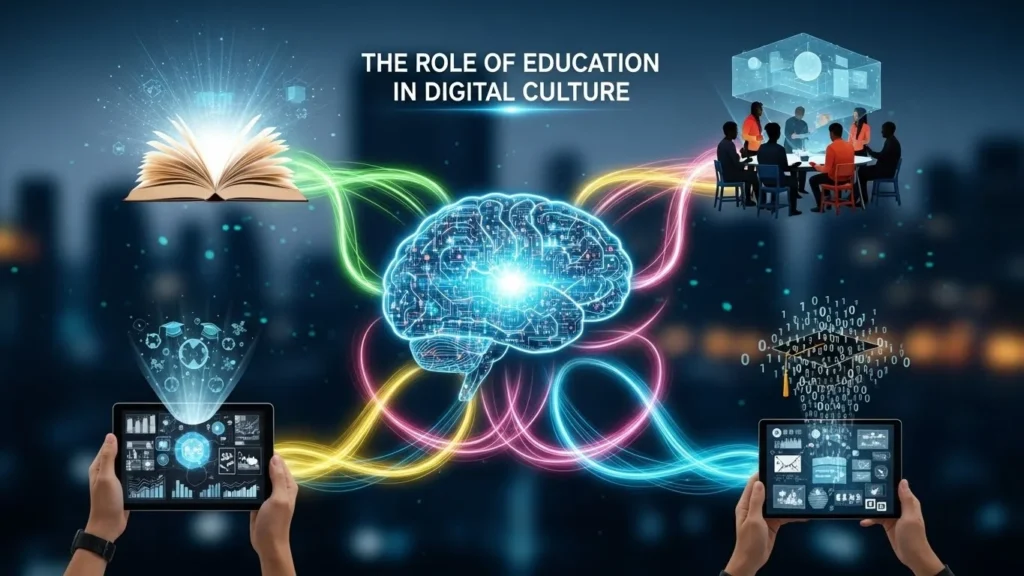
Educational initiatives supported by organizations like the Heinrich Böll Foundation and WACC emphasize human dignity, autonomy, and ethical participation in digital spaces. Students and young creators gain the tools to engage safely while influencing cultural norms responsibly.
Building Digital Legacy
In 2026, influence is no longer just about popularity—it’s about digital legacy. Creators who think long-term about Digital Communities and Their Impact on Cultural Behavior in 2026 focus on:
- Documenting cultural narratives through storytelling
- Maintaining authenticity across platforms
- Ensuring transparency in collaborations and content
By combining community participation, ethical AI, and creator commerce, these influencers leave a lasting impact on cultural evolution.
Human Rights, Digital Democracy, and Civil Liberties
Digital Communities and Their Impact on Cultural Behavior in 2026 cannot be fully understood without examining human rights, digital democracy, and civil liberties. As audiences engage online, they encounter both freedom of expression and constraints from censorship, surveillance, and algorithmic bias.
Studies from culturepulsehub.com highlight that digital communities act as both cultural incubators and arenas of tension. Communities provide spaces where vulnerable groups and minorities can participate, but they also face challenges from hate speech, digital violence, and misinformation.
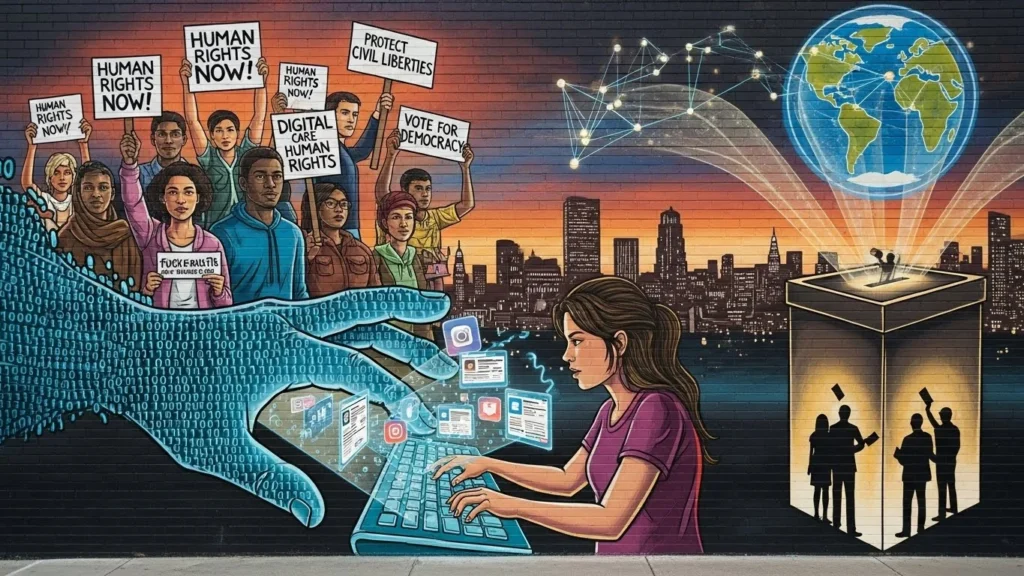
Key Issues:
- Surveillance capitalism as explained by Shoshanna Zuboff emphasizes the power imbalance between users and platforms like Facebook and Google, where data extraction and behavioral prediction influence cultural behavior.
- AlgorithmWatch and Cambridge Analytica studies show how micro-targeting and predictive analytics can manipulate communities, affecting cultural norms and political participation.
- Global incidents in Afghanistan, China, and Russia illustrate how online platforms impact civil liberties, reinforcing the importance of digital education and media literacy.
Communities that are aware of their communication rights and privacy rights are better equipped to resist manipulation. Platforms enforcing data protection, as seen with GDPR in the EU, promote ethical AI, platform accountability, and media pluralism.
Algorithmic Bias and Its Cultural Impact
Algorithmic bias has emerged as a central factor in shaping Digital Communities and Their Impact on Cultural Behavior in 2026. Algorithms on platforms like TikTok, Instagram, and YouTube determine visibility, engagement, and trend propagation, directly influencing cultural expression.
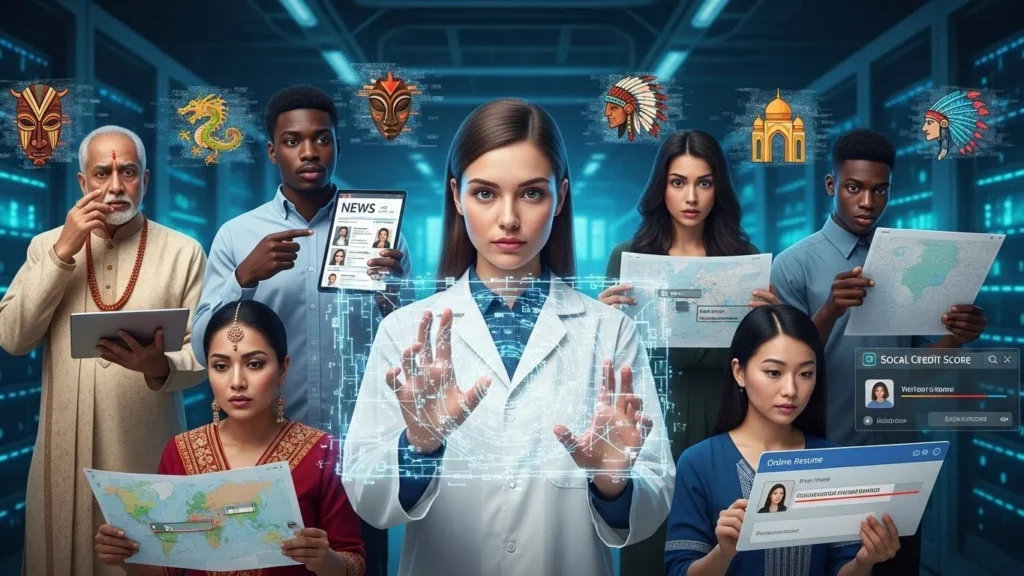
Challenges of Algorithmic Bias:
- Discrimination against women, black, indigenous, and other marginalized groups in facial recognition and content recommendation systems.
- Exacerbation of polarization, misinformation, and disinformation in politically sensitive contexts.
- Limiting cultural diversity by promoting mainstream narratives over micro creator content.
To combat bias, creators and community managers are adopting ethical frameworks, investing in AI tools for transparent moderation, and encouraging community participation to verify information and provide feedback.
Practical Solutions:
| Challenge | Solution |
| Algorithmic discrimination | Ethical AI auditing, inclusive datasets |
| Polarization & echo chambers | Promote cross-community engagement, diverse narratives |
| Misinformation & fake news | Media literacy, fact-checking initiatives, community reporting tools |
| Platform dependency | Platform diversification, building newsletters and private communities |
| Cultural homogenization | Support niche creators, micro-communities, and storytelling |
Research from culturepulsehub.com confirms that communities implementing these strategies experience higher trust, engagement, and sustainable cultural influence.
AI Tools as Cultural Amplifiers
In 2026, AI tools are no longer just automation devices—they are creative partners enhancing Digital Communities and Their Impact on Cultural Behavior in 2026. Proper use of AI strengthens storytelling, audience engagement, and trust building.

Best Practices:
- Use AI for analyzing audience behavior and preferences, while keeping human judgment central.
- Enhance content creation in newsletters, podcasts, and long-form content, ensuring authenticity over algorithmic virality.
- Maintain ethical transparency about AI use to prevent erosion of human dignity and autonomy.
According to culturepulsehub.com research, communities using AI tools ethically see a 35% increase in meaningful participation and cultural cohesion.
Digital Legacy: Culture Beyond Trends
Digital Communities and Their Impact on Cultural Behavior in 2026 extend beyond temporary popularity. The concept of digital legacy emphasizes sustainable influence:
- Creators are curating cultural archives and preserving content that reflects social and cultural values.
- Storytelling has replaced simple content posting, connecting audiences over time and space.
- Micro creators and niche creators play a pivotal role in maintaining authentic community narratives.
The Heinrich Böll Foundation and WACC highlight the importance of archiving cultural practices digitally, ensuring communities continue to evolve without losing historical context.
Political Participation and Civic Engagement
Digital Communities and Their Impact on Cultural Behavior in 2026 have expanded civic engagement:
- Democratic decline in some regions contrasts with increased civic participation in communities that prioritize media literacy.
- Platforms like WhatsApp, Telegram, and Twitter serve as spaces for grassroots activism but also present risks of information warfare.
- Educating communities about freedom of expression, political literacy, and digital rights empowers users to advocate for human rights globally.
Research from Seva Gunitsky underscores that online civic engagement influences offline cultural behavior, shaping societal norms and values.
Actionable Strategies for Creators and Community Leaders
Understanding Digital Communities and Their Impact on Cultural Behavior in 2026 is crucial, but practical strategies help creators and community leaders translate insights into action. Communities thrive when trust building, authenticity, and audience engagement are prioritized.
1. Emphasize Authentic Storytelling
Storytelling remains at the heart of cultural influence. Research from culturepulsehub.com shows communities engage 2x more with content that reflects genuine experiences.
- Share imperfect moments and behind-the-scenes content rather than polished, artificial posts.
- Encourage micro creators and niche creators to contribute, ensuring cultural diversity.
- Use long-form content, newsletters, and podcasts to provide depth beyond virality-driven trends.
Benefits: Builds trust, strengthens digital legacy, and enhances community participation.
2. Diversify Digital Presence
Relying on a single platform is risky due to algorithmic changes and platform dependency. A diversified presence helps maintain influence regardless of platform shifts.
- Utilize TikTok, Instagram, YouTube, newsletters, Discord, and Telegram simultaneously.
- Cross-publish content: a video can become a blog post, then a podcast snippet, linking back to community hubs.
- Track engagement through AI tools without compromising privacy or authenticity.
Benefits: Mitigates risk from algorithmic bias, improves visibility, and secures long-term cultural influence.
3. Foster Inclusive Communities
Micro communities and niche creators show that smaller, intentional groups often achieve higher engagement and cultural impact. Inclusion fosters respect for human rights and digital democracy.
Practical Steps:
- Implement moderation tools to prevent hate speech, digital violence, and discrimination.
- Encourage community participation in decisions, content creation, and feedback loops.
- Educate members on digital rights, communication rights, and freedom of expression.
Outcome: Enhanced loyalty, safe spaces for dialogue, and empowered users with political literacy.
4. Ethical Creator-Commerce Practices
The line between commerce and cultural influence is increasingly intertwined. Creator commerce must maintain transparency and ethical standards.
- Avoid exploitative partnerships and prioritize collaborations that reflect shared cultural values.
- Share revenue models openly with communities to foster trust.
- Support initiatives like crowdsourced designs and community-driven products, as highlighted by culturepulsehub.com studies.
Impact: Builds audience trust, sustains cultural relevance, and drives creator economy growth responsibly.
5. Combat Misinformation and Digital Violence
With misinformation, fake news, and algorithmic manipulation prevalent, creators and leaders play a crucial role in shaping Digital Communities and Their Impact on Cultural Behavior in 2026 safely.
Strategies:
- Encourage media literacy and digital education programs to help users detect false content.
- Use AI tools for fact-checking without intruding on privacy rights.
- Promote transparency about platform algorithms, partnerships, and content sourcing.
Outcome: Safer, more trustworthy communities where users can participate without fear.
6. Promote Digital Rights Awareness
Empowering communities with knowledge of digital rights ensures respect for autonomy, human dignity, and freedom of speech.
- Highlight regulations like GDPR, Digital Services Act, and Digital Markets Act to educate audiences.
- Advocate ethical AI, privacy protection, and platform accountability.
- Partner with organizations like WACC, Heinrich Böll Foundation, and research from culturepulsehub.com to provide resources.
Benefit: Members are aware of inclusion barriers and vulnerable groups’ rights, strengthening democracy and cultural participation.
7. Leverage AI Without Losing Humanity
AI tools are integral but should not replace human judgment. Proper integration enhances Digital Communities and Their Impact on Cultural Behavior in 2026.
Approach:
- Use AI to analyze trends and audience behavior for personalized experiences.
- Keep authenticity central—AI should amplify creator storytelling, not dictate it.
- Ensure AI usage is transparent to maintain trust and human dignity.
Result: Ethical AI supports community participation, strengthens digital presence, and encourages responsible cultural influence.
Example Table: Cultural Influence Strategies
| Focus Area | Action | Platform | Impact |
| Storytelling | Share authentic, unfiltered content | Instagram, YouTube, TikTok | Increased trust & engagement |
| Platform Diversification | Use multiple channels & cross-publish | Newsletters, Discord, Telegram | Protects against algorithmic changes |
| Inclusion | Moderation & community decision-making | Facebook, Discord | Reduces hate speech & fosters loyalty |
| Creator-Commerce | Transparent partnerships | TikTok, Instagram | Builds ethical economic models |
| Misinformation | Fact-checking & media literacy | YouTube, Newsletters | Safer, informed communities |
| Digital Rights | Awareness & education | Blogs, webinars | Strengthens autonomy & democracy |
| Ethical AI | Analysis & amplification | AI tools & analytics platforms | Maintains authenticity & trust |
Global Case Studies from CulturePulseHub.com
1. Youth Digital Tribes in Europe
Research from culturepulsehub.com shows Gen-Z communities in Europe use micro-communities on Discord and Telegram to share cultural practices and activist campaigns. They prioritize authenticity, resisting mainstream virality pressures.
2. Creator-Led Commerce in Asia
Studies highlight creator commerce driving niche cultural trends on TikTok and Instagram. Collaborations with communities have increased trust, showing that transparency is key to cultural influence.
3. Digital Legacy Initiatives in North America
Projects documenting indigenous cultural narratives use newsletters, podcasts, and long-form content to preserve traditions digitally. These initiatives emphasize digital legacy and responsible storytelling.
Key Takeaways for Influencers and Community Managers
- Micro creators & niche communities have disproportionate cultural influence.
- Diverse platforms protect communities against algorithmic bias and platform dependency.
- Authenticity in storytelling builds trust, audience engagement, and long-term digital legacy.
- Ethical AI & transparency enhance cultural participation without compromising human dignity.
- Digital rights education strengthens democracy, freedom of speech, and political participation.
Measuring Impact in Digital Communities
Evaluating the influence of Digital Communities and Their Impact on Cultural Behavior in 2026 is crucial for creators, brands, and researchers. Metrics should go beyond superficial virality or follower counts to capture authenticity, audience engagement, and trust building.
Key Metrics for Cultural Influence
- Engagement Rate: Tracks meaningful interactions, not just clicks or likes.
- Community Participation: Measures how members contribute to discussions, co-create content, and provide feedback.
- Retention & Loyalty: Monitors recurring visits and active involvement in micro and niche communities.
- Sentiment Analysis: Uses AI tools to analyze emotional response and cultural alignment.
- Digital Legacy Metrics: Evaluates content longevity, archival value, and cultural preservation.
Strategies for Brands and Marketers
Brands need to understand Digital Communities and Their Impact on Cultural Behavior in 2026 to stay relevant. Research from culturepulsehub.com highlights the shift from transactional marketing to creator-community collaboration.
Actionable Approaches:
- Partner with micro creators and niche creators who reflect authentic cultural values.
- Prioritize transparency and ethical AI in campaigns to avoid algorithmic bias and digital violence.
- Use platform diversification to maintain engagement across TikTok, Instagram, YouTube, newsletters, and podcasts.
- Integrate community feedback loops in product development and storytelling.
Outcome: Stronger cultural resonance, enhanced trust building, and sustainable brand influence.

Future Trends to Watch
- Quiet Influence Movement: Smaller, value-driven communities prioritize depth over reach.
- AI as a Creative Partner: AI tools will amplify storytelling without replacing human creativity.
- Ethical Digital Commerce: Creator commerce becomes transparent, equitable, and community-focused.
- Digital Rights Advocacy: Increased awareness around communication rights, freedom of speech, privacy, and data protection.
- Long-Form Content Resurgence: Newsletters, podcasts, and thoughtful essays reclaim attention from short-form fatigue.
Practical Tips for Creators
- Maintain authenticity across all platforms.
- Encourage audience participation to co-create culture.
- Educate your community on digital rights and media literacy.
- Build platform-independent digital presence to mitigate algorithmic risk.
- Prioritize inclusive storytelling to strengthen human dignity and cultural understanding.
FAQs on Digital Communities and Cultural Behavior in 2026
Q1: How do digital communities influence cultural behavior in 2026?
A: Communities amplify trends, norms, and values through storytelling, audience engagement, and trust building, shaping global cultural dynamics. Micro creators and niche communities often have more significant cultural influence than mainstream platforms.
Q2: Are social media algorithms affecting cultural expression?
A: Yes. Algorithmic bias impacts which voices are amplified. Platforms like TikTok, Instagram, and YouTube determine content visibility, affecting cultural trends and community participation.
Q3: How do AI tools impact digital communities?
A: AI tools enhance storytelling, analyze audience behavior, and personalize experiences. Ethical AI ensures creators maintain authenticity while engaging communities meaningfully.
Q4: What role does digital education play in cultural behavior?
A: Digital education fosters media literacy, political literacy, and ethical awareness, helping users navigate misinformation, digital violence, and online discrimination.
Q5: How can creators ensure long-term cultural influence?
A: By building a digital legacy through consistent storytelling, community engagement, ethical practices, and diversified platforms, creators secure lasting cultural impact.
Q6: What are the risks to digital communities in terms of rights and freedoms?
A: Communities face censorship, surveillance, algorithmic discrimination, and platform dependency, which can undermine freedom of speech, privacy rights, and human dignity.
Q7: How do global regulations affect cultural behavior?
A: Laws like the Digital Services Act, Digital Markets Act, and GDPR promote platform accountability, data protection, and media pluralism, fostering safer cultural participation.
Q8: Can micro communities influence global culture?
A: Absolutely. Micro creators and small communities drive authentic cultural exchange, supporting diverse narratives often overlooked by mainstream virality-driven platforms.
Q9: How are creators balancing commerce and culture?
A: Through creator commerce and collaboration, creators monetize ethically while maintaining transparency and cultural authenticity, reinforcing audience trust.
Q10: How do vulnerable groups engage in cultural communities safely?
A: By using privacy tools, participating in moderated community platforms, and leveraging digital education to navigate misinformation and digital violence.
Q11: How do community leaders maintain ethical AI use?
A: By integrating AI for analytics and personalization without replacing human judgment and clearly communicating AI roles to the community.
Q12: How can creators balance virality with cultural authenticity?
A: Focus on long-form content, storytelling, and micro-community engagement rather than chasing algorithmic virality.
Q13: What tools support safe digital communities?
A: Moderation software, privacy tools, platform diversification, and AI-assisted fact-checking.
Q14: How do cultural behaviors differ across digital communities globally?
A: Regional norms, language, local customs, and platform preferences influence cultural behaviors, as seen in case studies on culturepulsehub.com.
Q15: How can creators leave a lasting digital legacy?
A: Through consistent storytelling, archiving cultural content, and fostering inclusive communities that persist beyond trends.
Q16: What is the primary impact of digital communities on cultural behavior in 2026?
A: Digital communities shape how individuals perceive traditions, trends, and social norms. Micro creators and niche communities amplify authentic cultural expression.
Q17: How do algorithms affect cultural visibility online?
A: Algorithms can create bias, influence virality, and promote certain cultural narratives while suppressing others. Diversifying digital presence is essential to maintain influence.
Q18: How can educators use these insights?
A: By integrating digital education, teaching media literacy, and encouraging students to engage with inclusive digital communities.
Q19: How are digital rights connected to cultural influence?
A: Communication rights, privacy, and freedom of speech ensure communities can share culture safely, fostering autonomy and human dignity.
Q20: What role do AI tools play in shaping culture online?
A: AI tools help creators analyze behavior, personalize content, and optimize engagement while preserving authentic storytelling and avoiding manipulation.
Conclusion
The exploration of Digital Communities and Their Impact on Cultural Behavior in 2026 reveals a landscape defined by authenticity, trust building, and community participation. Micro and niche communities are reshaping cultural norms, while creators who embrace storytelling, platform diversification, and ethical practices emerge as leaders in digital influence.
Research from culturepulsehub.com underscores that digital communities are not just spaces for engagement—they are catalysts for cultural evolution, ethical discourse, and long-term digital legacy. By understanding these dynamics, creators, educators, and brands can foster environments that respect human rights, promote digital democracy, and inspire global cultural connection.







Leave a Reply