
Discover the Top Cultural Trends That Will Shape the World in 2026, including AI-driven shifts, sustainability movements, digital well-being, human-led creativity, and global cultural transformations. Explore a forward-looking analysis to stay ahead of change in 2026.
The world is experiencing rapid transformation, and the Top Cultural Trends That Will Shape the World in 2026 are already emerging around us. These shifts aren’t just predictions they’re signals that reveal where society, technology, environment, and human behavior are heading next. In 2026, cultural change will accelerate faster than brands, policymakers, creators, and organizations are prepared for. But those paying attention will find clarity in the noise.
As society leans toward resilience, authenticity, human-centered innovation, and a demand for deeper meaning, a new cultural landscape is forming. Some trends look exciting. Some look unsettling. But all of them will redefine how people work, create, interact, consume, and understand the world.
This report-style narrative aims to guide global audiences, from marketers to policymakers, from designers to curious readers. It combines signals from technology, society, the creative world, economics, activism, sustainability, and evolving identity movements. And while 2026 won’t be predictable, its direction is becoming clearer.
Why 2026 Will Be a Cultural Turning Point
2026 represents a threshold year—where society pressures, digital acceleration, and environmental realities converge. People are fighting content fatigue, digital fatigue, and social fatigue. They’re also demanding authenticity, transparency, and more human touch inside a world shaped by automation and synthetic media.
At the same time, everything is becoming more connected, yet more fragmented. More advanced, yet more humanized. More global, yet more local and personal.
These paradoxes shape culture and every trend in this report.
Top Cultural Trends That Will Shape the World in 2026 The Global Shifts Redefining Culture
Cultural change doesn’t appear out of nowhere; it evolves quietly before exploding into the mainstream. Below are the foundational cultural forces that will influence everything from media to cities, from marketing to governance in 2026.
1. The Rise of Human-Centric AI Replacing Fear With Collaboration
If 2024–2025 were the years of rapid AI adoption, then 2026 becomes the year society renegotiates its relationship with AI shifting from anxiety to partnership.
Consumers and employees now demand that technology supports human life rather than overwhelm it.
Key drivers:
- Increased awareness about data privacy
- Desire for human-led storytelling
- Fatigue with synthetic content
- Workplace demand for employee well-being
The most influential cultural shifts here include:
- Growth of AI-driven personalization that feels gentle, not intrusive
- The emergence of AI companions as emotional support systems
- Companies adopting human-AI collaboration models
- Explosion of generative AI and generative content
- Workforce reshaping under workforce evolution and automation
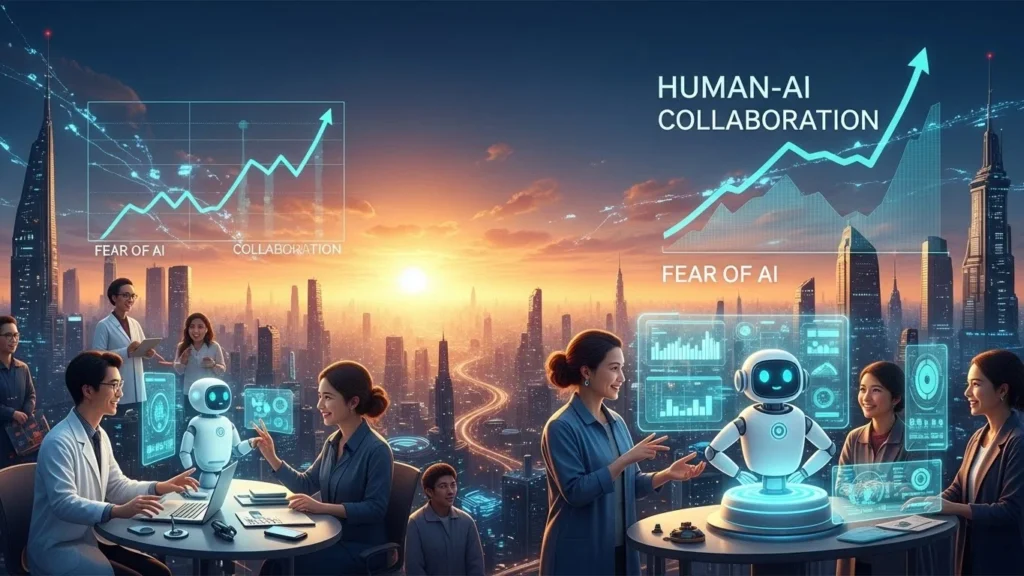
In 2026, AI won’t dominate culture it will blend into it, becoming a creative partner rather than a threat.
2. Digital Well-Being & The Search for Real Life Connection
People across the world are hitting a breaking point. The constant pressure of social media platforms, endless notifications, and algorithm-driven feeds has led to a new cultural rebellion.
Consumers now want:
- digital detox
- offline experiences
- less noise, more intentionality
- content that fosters social connection, not burnout
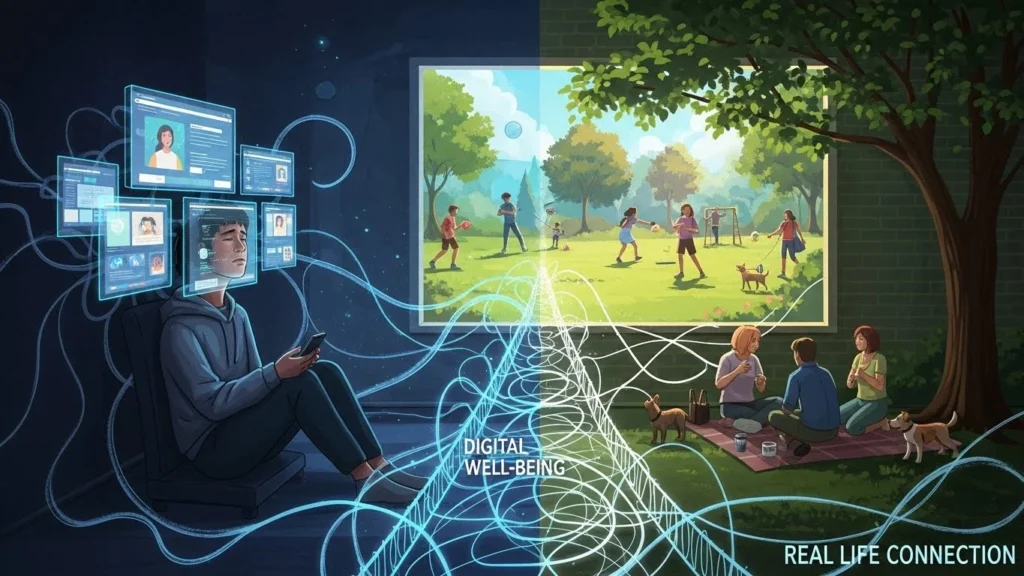
2026 becomes the year of reclaiming space mentally, emotionally, and socially.
Even youth culture is shifting. Teens are moving away from hyper-filtered visuals toward realness, subtle imperfections, and raw authenticity.
This shift challenges brands to reduce content fatigue, adopt intentional content, and create meaningful, not excessive, storytelling.
3. Sustainability Evolves Into Survival Culture
Sustainability is no longer a niche preference—it’s driven by necessity.
People are demanding:
- sustainable products
- ethical living
- eco-friendly tourism
- ethical tourism
- climate-focused policies
- environmental awareness and environmental consciousness
Cities worldwide are shifting their urban strategies toward:
- climate-resilient cities
- climate resilience
- regenerative design
- conscious consumption
Travelers prefer responsible travel and sustainable tourism rather than overconsumption driven tourism models.
2026 marks the shift from “nice to have sustainability” to a culture of survival, adaptation, and resilience.
4. Blockchain Maturity & The Quiet Rise of Decentralized Culture
After the hype cycles of previous years, 2026 finally sees the stabilization of Web3’s cultural influence.
The cultural drivers:
- Trust rebuilding through blockchain maturity
- Expanding tokenization
- More practical interoperability
- Growth of Decentralized Finance
- The focus on DeFi 2.0
- A push for transparency and credibility
- Disruption in identity authentication and ownership
Blockchain becomes less about speculation and more about infrastructure supporting secure identities, global payments, creator ownership, and transparent governance.
5. Hybrid Workplaces Become Human-Centered
The shift that started in 2020 continues evolving. In 2026, work culture embraces:
- hybrid workplace models
- employee-first systems
- integrated HR transformation
- tech-supported workplace transformation
- inclusive and mental health oriented workplaces
Organizations now redesign jobs to support both autonomy and creativity.
The future of work is not purely remote or physical it’s adaptive.
6. Creative Industries in Transformation From Automation to Originality
In 2026, creators are walking a tightrope between generative AI, automation, and the demand for content originality. The creator economy is booming, but pressure is high.
Key cultural signals include:
- content differentiation to avoid homogenization
- modular content creation for flexible publishing
- leveraging modular assets in campaigns
- adoption of human-AI collaboration for storytelling
- experimentation with motion branding and adaptive design systems
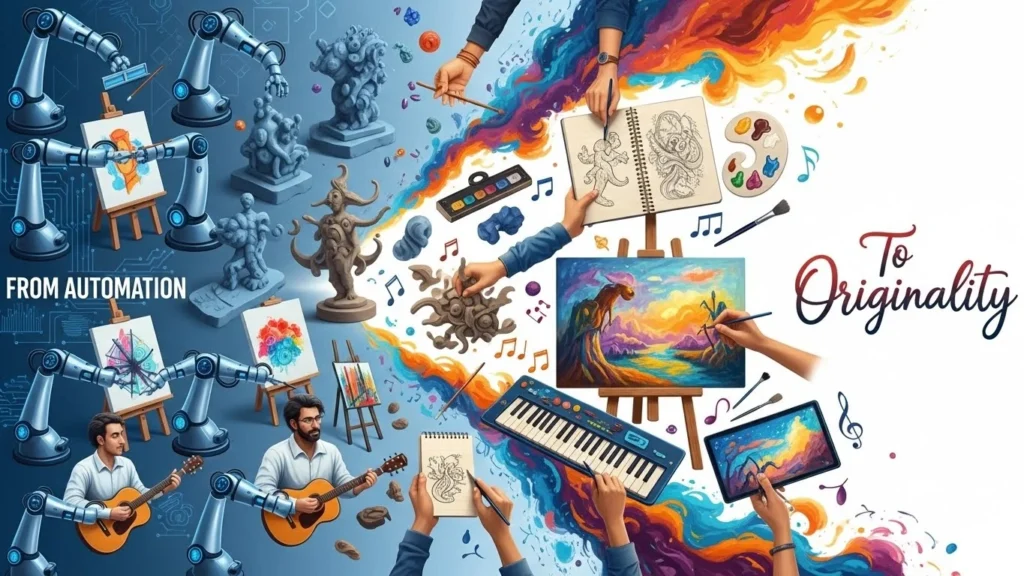
Brands and creators are also exploring adaptive branding and dynamic identity to stay culturally relevant. Social media platforms, algorithms, and AR filters are tools but they can contribute to social fatigue if overused.
Global audiences increasingly value authenticity over perfection. The era of polished-but-generic content is ending; human-led storytelling and creative strategy focused on engagement are winning.
7. Identity & Cultural Movements Micro-Aesthetics and Youth Led Trends
Youth culture continues to drive cultural relevance in 2026. Micro-movements, visual micro-aesthetics, and online communities are shaping how trends spread.
Highlights include:
- micro-aesthetics in fashion, social feeds, and gaming communities
- youth embracing inclusive culture and inclusive experiences
- the rise of identity systems and dynamic branding to reflect diverse audiences
- social conversations around authenticity, realness, and humanity
For example, gaming communities and creator economy hubs experiment with modular assets, experiential design, and participatory storytelling, blending culture with technology.
Platforms must respond to attention economy challenges, digital fatigue, and noise reduction or risk alienating audiences.
8. Environmental Consciousness & Ethical Responsibility Go Mainstream
Environmental trends are no longer peripheral. In 2026, environmental consciousness informs lifestyle, travel, and purchasing habits.
- eco-friendly tourism, responsible travel, and sustainable products dominate consumer choices
- Companies embrace human-centered design, inclusive design, and intentional content to demonstrate ethical responsibility
- Awareness of environmental impact drives both well-being and authenticity in consumer relationships
Even hybrid work models reflect these priorities, with sustainability integrated into office design, corporate policies, and urban planning.
Cultural influence is amplified when combined with social connection, community engagement, and experiential design.
9. Hybrid & Dynamic Work A Culture of Adaptation
Workplaces are no longer static; they are living ecosystems. In 2026:
- hybrid work models balance autonomy, collaboration, and employee well-being
- workplace transformation includes digital tools with technology integration
- HR and leadership emphasize humanity, trust, and creativity in workflows
Businesses experiment with AI companions, digital maturity, and human-AI collaboration to boost productivity while reducing social fatigue.
Culture in workspaces now reflects broader societal expectations ethical responsibility, inclusivity, and intentionality in engagement.
10. Cultural Relevance in Marketing Authenticity Wins
Brands in 2026 compete not only on products but on storytelling, identity systems, and dynamic branding.
- adaptive design systems allow brands to resonate with multiple audiences
- audience trust is built through realness, transparency, and human touch
- content originality and human-led storytelling reduce content fatigue
- AI-driven personalization ensures relevancy without being invasive
Successful campaigns integrate experiential design, community connection, and meaningful experiences, proving that culture-led marketing outperforms purely transactional messaging.
11. Technology Integration Beyond Hype, Toward Cultural Impact
Technology is a cultural enabler, not just a tool. In 2026:
- generative AI, AI companions, and AI-driven personalization shape content, work, and education
- blockchain, DeFi 2.0, and tokenization empower creators and consumers
- digital well-being becomes a major cultural narrative, emphasizing offline experiences
- AR filters, algorithms, and motion branding are tools for cultural conversations rather than ends in themselves
Integration now emphasizes human-centered design, authenticity, and engagement, highlighting that culture can’t be outsourced to machines.
12. Social Activism & Ethical Engagement
The culture of 2026 is deeply linked to social responsibility:
- activism and ethical living shape consumer decisions
- inclusive experiences, accessibility standards, and WCAG compliance define community interactions
- cultural movements harness audience resonance, trust, and credibility
- Media platforms balance content originality with human-AI collaboration
From environmental campaigns to identity advocacy, culturepulsehum.com observes that people expect authenticity, transparency, and meaningful experiences from both brands and governments.
13. Experiential & Inclusive Design Culture Becomes Tangible
Design in 2026 is not just visual it is immersive, accessible, and inclusive:
- experiential design prioritizes meaningful experiences
- inclusive culture drives audience resonance
- adaptive design systems and motion branding merge aesthetics with engagement
- Attention to environmental impact reinforces ethical responsibility
This is especially visible in public spaces, online communities, gaming communities, and hybrid workplaces, creating culture that’s both seen and felt.
How Top Cultural Trends That Will Shape the World in 2026 Affect Consumer Behavior
Cultural trends don’t exist in a vacuum they directly influence how people think, act, and spend. Understanding these shifts helps marketers, creators, policymakers, and businesses anticipate global audience needs while remaining authentic and culturally relevant.
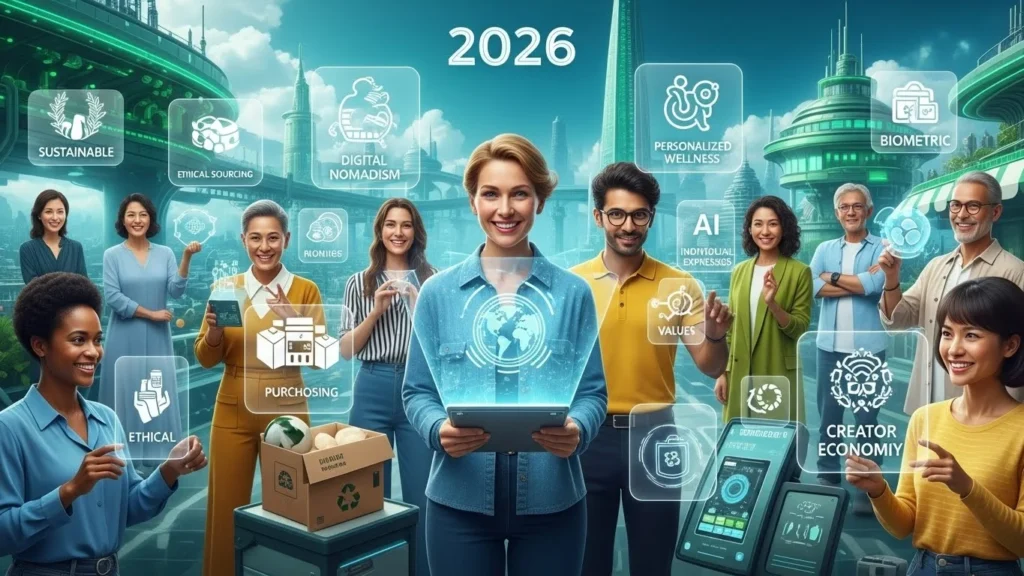
Changing Consumer Behavior Patterns in 2026
The following patterns define 2026:
- AI-driven personalization shapes preferences without being intrusive
- Consumers demand ethical living, sustainable products, and responsible travel
- Digital fatigue pushes people toward offline experiences and intentional content
- Social connection, community engagement, and experiential design influence loyalty
- Attention shifts toward human-led storytelling, authenticity, and content originality
In short, consumers want meaningful experiences, not just products. Brands must adapt, embracing adaptive branding, dynamic identity, and inclusive design to maintain audience trust.
Persona-Specific Implications
| Persona | Key Cultural Trend Impact | Buying Behavior Implication |
| Future-Focused Researcher | Valuescultural relevance, global audiences, anddata-driven insights | Invests intrend reports, webinars, andindustry studies |
| Innovation-Driven Marketer | Respondstocreative strategy, adaptive design systems, modular content creation | BuysAI tools, templates, subscriptions, digital courses |
| Tech-Adopter Professional | Needs clarity ontechnology integration, AI companions, generative AI | TrialsSaaS platforms, productivity tools, andAI-powered solutions |
| Socially-Aware Consumer | Focused onethical responsibility, sustainability, eco-friendly tourism | Purchasessustainable products, supportsethical brands, engages inresponsible travel |
| Culture-Seeking Creator | Driven byhuman-AI collaboration, content originality, creator economy, modular assets | Buysediting tools, design templates, courses, attendsworkshops |
| Global Business Strategist | Interested in blockchain maturity, DeFi 2.0, dynamic identity, cultural movements | Invests in consulting, business intelligence, strategy guides |
| Digital Well-being Seeker | Wants digital detox, offline experiences, intentional content, well-being | Buys wellness subscriptions, mindfulness tools, attends offline retreats |
| Creative Industry Professional | Focused on motion branding, adaptive design systems, content differentiation, generative content | Purchases creative software, visual trend reports, modular assets |
| Policy & Social Change Observer | Engages with activism, inclusive culture, ethical responsibility | Buys policy reports, attends seminars, global studies |
| Curious Everyday Reader | Seeks human-led storytelling, cultural movements, easy-to-understand trends | Prefers free content, short guides, explainer videos |
This table demonstrates how the Top Cultural Trends That Will Shape the World in 2026 intersect with persona motivations, highlighting opportunities for brands, creators, and organizations to respond authentically.
Table of Trends, Cultural Impacts, and Tools/Platforms
| Trend | Cultural Impact | Tools / Platforms | NLP / LSI Terms |
| AI & Generative Content | Shift toward human-AI collaboration, content originality | OpenAI, MidJourney, ChatGPT | AI-driven personalization, generative AI, AI companions |
| Sustainability & Ethics | Demand for ethical living, responsible travel, eco-friendly tourism | Eco-friendly brands, travel platforms | sustainability, ethical tourism, environmental awareness |
| Hybrid Work & Employee Well-Being | Focus on human-centered workplaces, digital maturity, employee well-being | Zoom, Slack, HR tech | hybrid workplace, workplace transformation, HR |
| Digital Detox & Offline Experiences | Reduces digital fatigue, enhances intentionality | Mindfulness apps, retreats | digital well-being, offline experiences, social connection |
| Blockchain & DeFi 2.0 | Creates trust, ownership, and cultural relevance | Ethereum, Solana, Web3 platforms | blockchain maturity, tokenization, decentralized finance, DeFi 2.0 |
| Creative Economy Transformation | Emphasizes adaptive branding, modular assets, motion branding | Canva, Adobe, Figma | modular content creation, creative strategy, content differentiation |
| Youth-Led Micro-Aesthetics | Shapes identity systems, inclusive experiences, audience resonance | TikTok, Instagram, gaming communities | micro-aesthetics, inclusive culture, cultural movements |
| Experiential & Inclusive Design | Enhances community connection, meaningful experiences | AR/VR tools, event platforms | experiential design, inclusive design, intentional content |
This table provides a practical lens for organizations to map trends to tools and identify where culture and technology intersect.
Key Takeaways for 2026
- Authenticity over perfection: Human touch wins over algorithmic perfection. Consumers demand realness and trust.
- Culture-led marketing: Integrate identity systems, dynamic branding, and human-AI collaboration.
- Sustainability as survival: Environmental consciousness drives lifestyle, travel, and purchases.
- Digital well-being as a priority: Companies must address digital fatigue, offer offline experiences, and create intentional content.
- Blockchain & DeFi 2.0 for credibility: Consumers seek trust, transparency, and tokenization in finance and creative ownership.
- Hybrid work & creativity integration: Support workforce evolution, employee well-being, and adaptive design systems.
- Youth-driven culture matters: Micro-aesthetics, inclusive experiences, and social connection are cultural levers.
External Resources & References
For readers wanting deeper insights into the Top Cultural Trends That Will Shape the World in 2026, external sources can complement the analysis on culturepulsehum.com:
- World Economic Forum – Future of Culture & Society
- MIT Technology Review AI & Society
- UN Environment Programme Sustainable Development
These resources highlight emerging trends in sustainability, AI-driven personalization, ethical responsibility, and digital well-being, aligning with the actionable insights curated on culturepulsehum.com.
FAQs About Top Cultural Trends That Will Shape the World in 2026
Q1: What are the most impactful cultural trends in 2026?
A1: According to culturepulsehum.com, the most impactful trends include AI-driven personalization, digital well-being, sustainable tourism, hybrid workplace models, human-AI collaboration, blockchain maturity, and identity systems. These trends influence everything from consumer behavior to global audiences, shaping marketing, creative industries, and urban planning.
Q2: How will AI influence culture in 2026?
A2: AI in 2026 goes beyond automation; it fosters generative content, supports human-led storytelling, and encourages creative strategy. AI companions and human AI collaboration will redefine productivity, creativity, and engagement, while ensuring content originality and audience trust remain central.
Q3: How is sustainability shaping cultural trends?
A3: Sustainability has moved from optional to essential. People demand eco-friendly tourism, responsible travel, ethical living, and sustainable products. Cities focus on climate-resilient cities and urban planning strategies that reflect environmental awareness and ethical responsibility trends widely reported by culturepulsehum.com.
Q4: What does hybrid work mean for culture?
A4: The hybrid workplace is no longer just a convenience it’s central to culture. 2026 emphasizes employee well-being, workforce evolution, and adaptive design systems to support creativity, authenticity, and human touch in professional environments.
Q5: How can brands stay relevant in 2026?
A5: Brands must embrace adaptive branding, dynamic identity, inclusive experiences, and human led storytelling. Attention to digital fatigue, intentional content, and audience resonance ensures cultural relevance. For practical strategies, culturepulsehum.com offers detailed insights tailored to marketers, creators, and strategists.
Q6: What role do youth culture and micro-aesthetics play?
A6: Youth-driven cultural movements and micro-aesthetics shape trends across social media platforms, gaming communities, and content creation. Brands and creators leveraging modular assets, motion branding, and creative strategy can build strong community connection and audience trust.
Conclusion Navigating Culture in 2026
The Top Cultural Trends That Will Shape the World in 2026 are more than predictions they are actionable signals for creators, businesses, policymakers, and everyday readers.
Key takeaways:
- Authenticity and human touch dominate digital and real-world interactions.
- Sustainability and ethical responsibility are non-negotiable for consumers and organizations.
- Hybrid workplaces, digital well-being, and intentional content redefine professional and social experiences.
- AI, blockchain, and DeFi 2.0 enable creativity, ownership, and audience engagement when applied responsibly.
- Cultural relevance now requires attention to micro-aesthetics, identity systems, and inclusive experiences.
In a world marked by fragmentation, innovation, and rapid adaptation, staying ahead means blending technology integration with human-centered design, embracing experiential design, and prioritizing meaningful experiences.
culturepulsehum.com serves as a trusted guide to track these transformations, offering insights into creative strategy, workforce evolution, digital maturity, and global cultural movements. Whether you are a marketer, creator, or curious reader, understanding these trends equips you to navigate 2026 with clarity, resilience, and impact.




Leave a Reply