
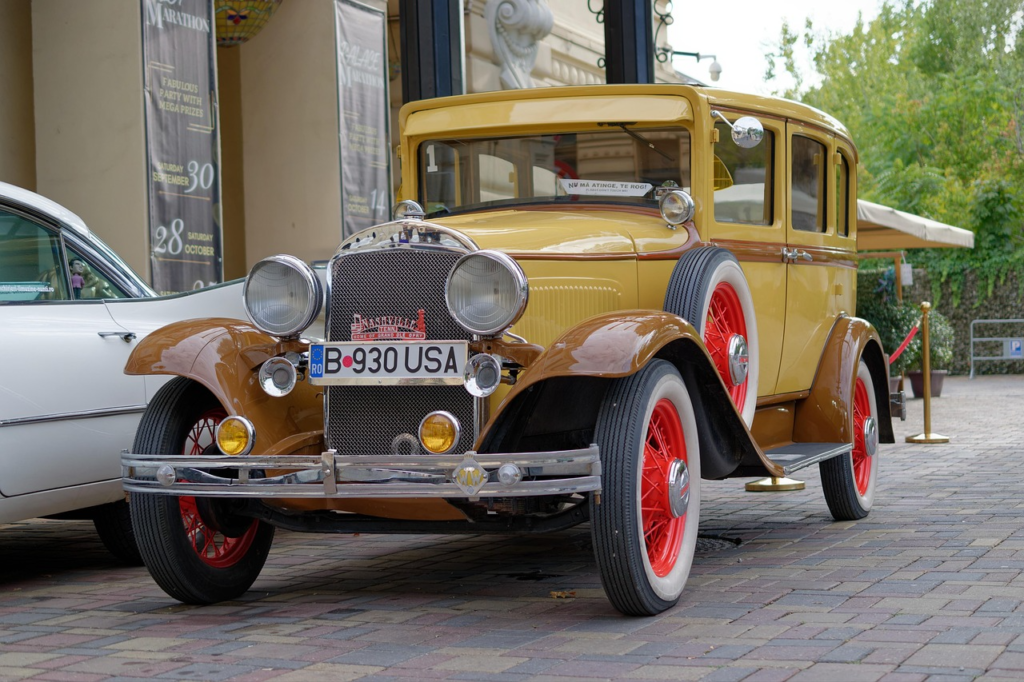
The era of pop culture in the 1930s represents one of the most transformative periods in entertainment history. It was a decade marked by economic hardship, global uncertainty, and yet a surprising rise in creative expression through film, radio, music, and early mass media.
What makes pop culture in the 1930s so important is how it laid the foundation for modern entertainment systems. Even without digital technology, audiences were deeply connected to stories, music, and public figures through radio broadcasts, cinema halls, and print media.
Platforms like Culture Pulse Hub often explore how pop culture in the 1930s influenced the evolution of global entertainment and storytelling traditions.
How Pop Culture in the 1930s Changed Cinema Forever
Cinema was the most powerful force in pop culture in the 1930s. This was the golden age of early Hollywood, where sound films (talkies) became the standard and transformed the movie industry.
Classic films featuring stars like Charlie Chaplin, Clark Gable, and Katharine Hepburn defined pop culture in the 1930s and introduced storytelling techniques still used today.
Genres like musicals, comedies, and early dramas flourished, making pop culture in the 1930s a creative turning point in global filmmaking.
Radio as the Heart of Pop Culture in the 1930s
Radio played a central role in pop culture in the 1930s, becoming the main source of entertainment for families across the world.
News broadcasts, music programs, and radio dramas shaped daily life and helped define pop culture in the 1930s communication style.
People gathered around radios to listen to live performances, making it one of the most powerful tools of pop culture in the 1930s.
Music and Dance Trends in Pop Culture in the 1930s
Music during pop culture in the 1930s was dominated by jazz, swing, and big band sounds. Artists like Duke Ellington and Benny Goodman became cultural icons.
Dance halls and live orchestras were central to social life, making music an essential part of pop culture in the 1930s.
These musical styles later influenced modern jazz, pop, and orchestral arrangements.
Fashion Trends in Pop Culture in the 1930s
Fashion in pop culture in the 1930s reflected both elegance and practicality due to economic challenges.
Women’s fashion included long dresses, hats, and structured silhouettes, while men wore tailored suits and classic formal styles.
Despite simplicity, pop culture in the 1930s fashion maintained a strong sense of sophistication that still inspires vintage fashion today.
Why Pop Culture in the 1930s Was Emotionally Powerful
One reason pop culture in the 1930s remains historically significant is its emotional connection with audiences during difficult times.
Entertainment provided escape, hope, and comfort during the Great Depression, making pop culture in the 1930s deeply meaningful.
Films, music, and radio shows helped people stay emotionally strong during uncertainty.
The Lasting Legacy of Pop Culture in the 1930s
The influence of pop culture in the 1930s continues to shape modern entertainment industries.
From storytelling techniques in cinema to the structure of radio-inspired podcasts, many modern formats trace their roots to pop culture in the 1930s.
Even fashion and design industries revisit this era for inspiration.
Platforms like Culture Pulse Hub continue to highlight how pop culture in the 1930s shaped the foundation of modern media and entertainment.
Conclusion
The importance of pop culture in the 1930s lies in its lasting influence on film, music, radio, and cultural identity. Despite being almost a century old, its creative impact is still visible today.http://youtube.com
In the end, pop culture in the 1930s is not just history—it is the beginning of modern entertainment as we know it.






Leave a Reply