
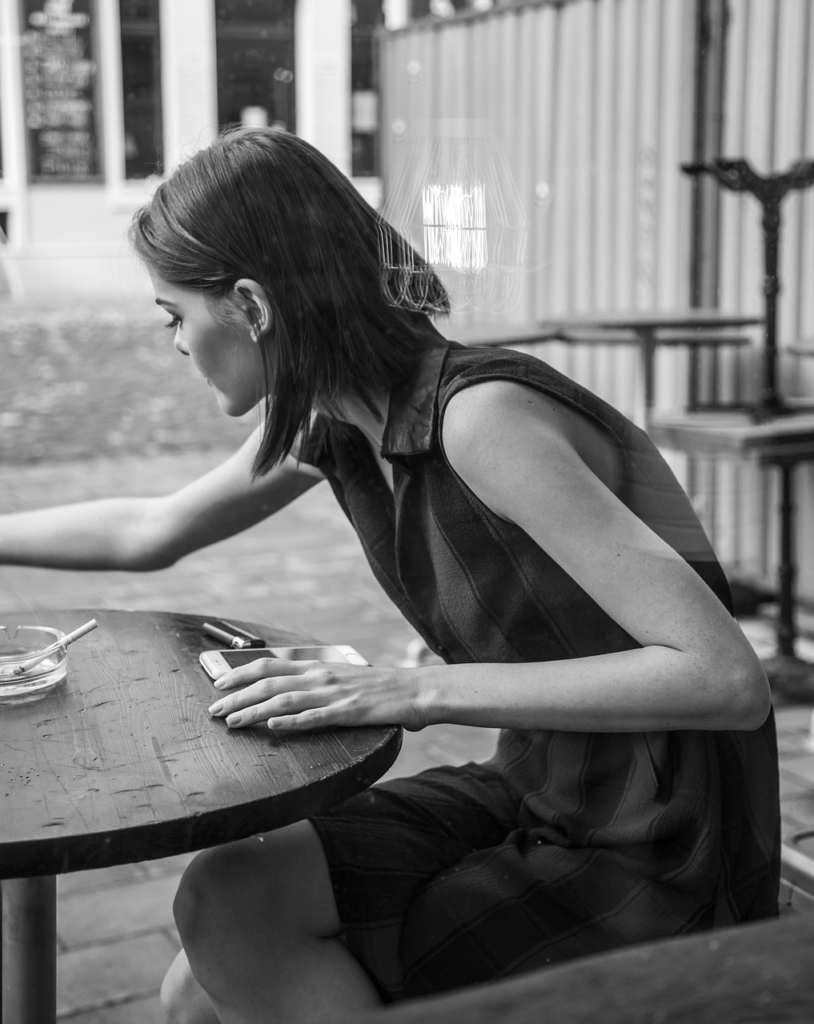
In today’s fast-moving generation z fashion brands, one generation has emerged as a major force reshaping how style is created, shared, and consumed. Generation Z fashion brands are not just participating in the industry—they are actively redefining it. Their influence is deeply connected to digital culture, social platforms, and a strong desire for authenticity in self-expression.
According to cultural generation z fashion brands insights highlighted by Culture Pulse Hub, Generation Z has transformed fashion into a highly interactive experience. Unlike previous generations, where fashion trends were dictated by magazines or runway shows, Gen Z audiences engage with style in real time through TikTok, Instagram, and online communities. This shift has created ahttp://youtube.com new ecosystem where brands are built on speed, relevance, and direct connection with audiences.
generation z fashion brands are defined by their digital-first mindset. Many of these brands do http://culturepulsehub.comnot begin in physical stores or traditional retail spaces. Instead, they are born online, often starting as small independent labels promoted through social media content, influencer collaborations, or viral trends. This approach allows them to grow rapidly and adapt quickly to changing consumer preferences.
One of the strongest characteristics of Gen Z fashion brands is their focus on individuality. Rather than promoting a single standardized style, these brands encourage experimentation. Oversized silhouettes, gender-neutral clothing, bold graphics, and customized pieces are commonly used to reflect personal identity. Fashion is no longer about fitting in—it is about standing out and expressing uniqueness without boundaries.
Sustainability also plays a major role in shaping Gen Z fashion culture. Unlike fast fashion models that prioritize mass production, many Gen Z-focused brands emphasize ethical sourcing, recycled materials, and slow production cycles. This shift reflects the generation’s awareness of environmental issues and their demand for transparency in how clothing is made.
Another defining feature is inclusivity. Generation Z fashion brands are challenging traditional industry norms by promoting diversity in size, gender, ethnicity, and cultural representation. Campaigns often feature real people rather than heavily edited models, creating a more relatable and authentic connection with audiences. This approach has significantly changed how fashion advertising is perceived in the digital age.
Streetwear continues to be one of the strongest influences on Gen Z fashion identity. Hoodies, sneakers, cargo pants, and graphic tees dominate wardrobes, but they are often styled in highly creative and personalized ways. What was once considered casual wear has now become a global fashion language, blending comfort with cultural expression.
Social media platforms have played a crucial role in accelerating the success of these brands. A single viral post can launch a new label into global recognition within days. Influencers, content creators, and everyday users contribute to this ecosystem by showcasing outfits, reviewing products, and shaping trends in real time. This level of interaction has made fashion more democratic and accessible than ever before.
Interestingly, Generation Z fashion brands are also influencing luxury fashion houses. High-end designers are increasingly collaborating with streetwear labels and digital-native brands to stay relevant with younger audiences. This blending of luxury and street culture reflects a broader shift in how fashion hierarchies are being redefined.
Many Gen Z brands also rely heavily on storytelling. Instead of focusing solely on product features, they build narratives around lifestyle, identity, and emotion. Each collection often represents a theme or message that resonates with their audience. This storytelling approach creates deeper brand loyalty and emotional engagement.
Digital aesthetics are another important element. Minimalist website designs, aesthetic Instagram feeds, and visually consistent branding are essential for success. For Generation Z, first impressions are often formed online, making digital presentation just as important as product quality.
Platforms like Culture Pulse Hub help document and analyze these evolving trends, offering insights into how digital culture is shaping modern fashion identity. Their focus on youth-driven style movements highlights how Generation Z is not just following fashion trends but actively creating them.
At the same time, challenges exist. The fast-paced nature of digital fashion means trends can become outdated quickly. Brands must constantly innovate to stay relevant, balancing creativity with consistency. However, this pressure also fuels innovation, pushing designers to experiment with new ideas, materials, and marketing strategies.
Despite these challenges, the influence of Generation Z fashion brands continues to grow. Their ability to merge technology, culture, and creativity has created a new model for the fashion industry. It is a model where community engagement, digital storytelling, and personal expression are at the center.
In conclusion, Generation Z fashion brands represent more than just a shift in clothing trends—they represent a cultural transformation. They have changed how fashion is discovered, how it is shared, and how it is experienced. As the digital world continues to evolve, these brands will likely remain at the forefront of innovation, shaping the future of global style in ways that are still unfolding.







Leave a Reply